
The 2026 conforming loan limit increase changes how much home many Veterans can buy with a VA loan, especially when they have partial entitlement. This overview keeps situational awareness on what changed, who benefits, and how to translate new limits into realistic purchase targets with zero down when possible.
Key Changes To 2026 Conforming Loan Limits
- The Federal Housing Finance Agency increased the national baseline conforming limit for one unit properties to eight hundred thirty two thousand seven hundred fifty dollars for 2026, raising the ceiling for many conventional and VA scenarios.
- High cost areas now reach a one unit ceiling of one million two hundred forty nine thousand one hundred twenty five dollars, expanding room for conforming and VA financing before buyers cross into stricter jumbo style underwriting environments.
- For Veterans with partial entitlement, higher county loan limits raise the maximum no down payment loan amount before a required contribution, which directly improves buying power in more expensive counties.
- Higher limits do not change core VA underwriting rules, so lenders still focus on income, debts, and residual income to confirm a safe payment and avoid unnecessary risk for Military households.
Why Conforming Limits Matter For VA Loans
- The VA aligns county loan limits for partial entitlement with Federal Housing Finance Agency conforming limits, so every yearly limit increase can expand zero down room for some repeat VA buyers.
- Since 2020, full entitlement borrowers no longer face VA loan limits, which means conforming changes mostly affect pricing tiers and how VA loans compare with conventional or jumbo options in specific markets.
- Higher conforming limits often keep more properties inside regular agency guidelines, which can support more competitive interest rates and simpler execution as lenders avoid complex non conforming structures.
Top Questions About 2026 Conforming Limits And VA Buying Power
How does partial entitlement work with VA loan limits and down payments?
When a Veteran has partial entitlement, the VA expects entitlement plus any down payment to cover at least twenty five percent of the loan amount. The county conforming loan limit determines the maximum guarantee. Higher 2026 limits mean some buyers can now reach a target price with less or even no down payment.
How do lenders decide VA loan approvals in 2026?
Lenders start by confirming entitlement on the Certificate of Eligibility, then assess income stability, debt to income ratio, and required residual income by region and family size. Credit history, payment patterns, and current obligations remain critical. Loan size must still align with appraised value, regardless of the new conforming limit.
Are there downsides to using a VA loan instead of a conventional loan?
A VA loan typically wins on zero down, flexible credit standards, and no monthly mortgage insurance, but the funding fee increases total financed cost when the Veteran is not exempt. Some sellers and agents misunderstand VA appraisals, which can create friction. In rare scenarios, strong conventional pricing can narrow the advantage.
Key Takeaways
- Conforming loan limits increased again for 2026, raising the ceiling for many VA purchase scenarios.
- Veterans with full entitlement still face no VA loan cap, lender approval remains the real constraint.
- Partial entitlement borrowers gain the most, with higher county limits reducing or eliminating required down payments.
- VA uses county conforming limits to calculate remaining bonus entitlement and maximum zero down buying power.
- Lenders continue to rely on income stability, residual income, and credit history to confirm safe payment levels.
- A simple personal worksheet or calculator helps Veterans translate new limits into realistic 2026 home price targets.

How Do 2026 Conforming Loan Limits Affect VA Buying Power?
For 2026, the Federal Housing Finance Agency raised the national baseline conforming loan limit for one unit properties to eight hundred thirty two thousand seven hundred fifty dollars, with a one unit ceiling of one million two hundred forty nine thousand one hundred twenty five dollars in high cost areas. These values also drive VA county loan limits for Veterans with partial entitlement, which directly affects zero down buying power. FHFA explains the new 2026 baseline and ceiling amounts.
2026 VA Buying Power Estimator By County Type
Use this quick estimator to compare approximate maximum zero down VA loan amounts under 2026 and 2026 conforming limits when you have partial entitlement. This is a planning tool only and not an official underwriting decision.
Results: Set parameters and run the tool to see your approximate no down payment ceiling for each year.
How Does Partial Entitlement Work With VA Loan Limits And Down Payments?
Partial entitlement means some of a Veteran’s VA guaranty is already charged to another property or past foreclosure. The VA explains that county loan limits, which mirror Federal Housing Finance Agency conforming values, determine how much bonus entitlement remains available. The VA home loan entitlement and limits page walks through this calculation in detail. The VA entitlement and limits guidance shows how lenders use these numbers.
- Partial entitlement does not mean a Veteran lost access to VA benefits, it means some guaranty is already committed, so lenders must confirm how much remains before approving another zero down loan.
- The VA instructs lenders to multiply the applicable county one unit limit by twenty five percent, subtract entitlement already charged, then use the remaining amount as the guaranty that can support another VA backed loan without a required down payment.
- When remaining guaranty is insufficient for the desired loan size, lenders generally expect the Veteran to contribute enough down payment so that guaranty plus cash again covers at least twenty five percent of the requested loan amount.
- Start by confirming the amount of entitlement already charged on the Certificate of Eligibility, then identify the county one unit limit for the property using current Federal Housing Finance Agency data for 2026.
- Multiply the county one unit limit by twenty five percent to find the maximum guaranty for that county, then subtract entitlement already used to calculate remaining bonus entitlement available for a new VA loan.
- Compare remaining guaranty to the requested loan amount, and if it falls short of the twenty five percent coverage threshold, determine the minimum down payment that closes the gap while keeping the payment affordable under lender underwriting rules.
The VA outlines this remaining bonus entitlement process step by step, including practical numerical examples that mirror the logic used in lender systems. Their explanation emphasizes that lenders may still approve amounts above the county limit when the Veteran is prepared to contribute an appropriate down payment. The VA entitlement explanation is the primary reference for this method.
How Do Lenders Determine VA Loan Approvals Under 2026 Limits?
Conforming loan limit increases are important, but lenders still follow a disciplined approval sequence built around income, credit, and property risk. The VA describes entitlement as only one piece of the equation, with lender underwriting driving the final decision. The VA home loan eligibility page summarizes who may use the program and which service criteria apply. The VA eligibility guidance is the baseline for that review.
- Lenders verify Military service and entitlement through the Certificate of Eligibility, then review current credit reports, payment patterns, and any prior housing related events that could trigger additional documentation or seasoning requirements.
- Underwriters calculate debt to income ratio and compare it with residual income standards by region and household size, ensuring that the Veteran’s budget can absorb the proposed payment while preserving room for food, transportation, and utilities.
- Appraisers confirm that the property value and VA minimum property requirements align with the contract price, since the lender will cap the loan at the lower of appraised value or purchase price regardless of the conforming limit in that county.
- Confirm service based eligibility and obtain the Certificate of Eligibility, then collect Leave and Earnings Statements, tax returns, and any retirement or disability award letters required to document stable income sources.
- Run a full application through automated underwriting, then address any requested conditions such as letters of explanation, additional asset statements, or documentation of prior housing events before final approval and clear to close.
- Maintain situational awareness on interest rate options and discount points, since a small pricing adjustment can materially improve long term affordability and help keep the Veteran’s financial posture inside a safe operating envelope.
The VA makes clear that even with full entitlement and no formal loan limit, lenders may cap approval based on income, debts, and property value. A strong file, clean payment history, and early document preparation support a smoother process and keep the critical path to closing clear of avoidable delays. The VA eligibility page remains the authoritative starting point.
What Are The Differences Between VA Loans And Conventional Loans In 2026?
Conforming limit increases often prompt Veterans to compare a VA loan against a conventional conforming loan in the same price band. The VA guarantees a portion of the loan, which usually allows zero down for full entitlement and reduces monthly cost by eliminating private mortgage insurance. Conventional loans may compete more strongly at lower loan to value ratios or for certain high credit profiles.
- A VA loan usually offers zero down for full entitlement, no monthly mortgage insurance, and flexible credit standards, while conventional loans frequently require larger down payments to avoid private mortgage insurance entirely.
- The VA funding fee, which some exempt Veterans do not pay, increases the financed amount but is normally rolled into the loan, while conventional loans may layer private mortgage insurance premiums on top of principal and interest payments.
- Conventional loans can sometimes deliver slightly lower rates for very strong credit and large down payments, whereas VA loans often maintain more consistent pricing for a wider range of credit profiles and lower cash to close.
| Feature | VA purchase loan | Conventional conforming loan |
|---|---|---|
| Typical minimum down payment at high loan to value | Often zero percent for full entitlement when income and appraisal support the requested amount | Commonly three to five percent down for first time buyers, twenty percent to avoid mortgage insurance |
| Monthly mortgage insurance requirement | No monthly mortgage insurance, although the VA funding fee may apply upfront or be financed | Private mortgage insurance usually required with less than twenty percent down until coverage can be removed |
| Loan limit structure in 2026 | No VA limit for full entitlement, county limits for partial entitlement based on conforming values | Subject to 2026 conforming loan limits or jumbo pricing if above county specific thresholds |
For many Veterans, especially those prioritizing minimal cash to close, a VA loan remains the primary tool. However, when down payment funds are available and credit scores are high, running side by side quotes for VA and conventional options is a disciplined way to confirm the operational best fit for a long term housing plan.
How Should Veterans Plan Around 2026 Loan Limit Changes?
Effective planning means treating conforming limit changes as one input among several, not the sole driver of action. The VA notes that entitlement, eligibility, and property value must all align with lender underwriting outcomes before a loan is approved. Veterans should maintain a clear baseline on personal affordability and county specific limits before engaging sellers. The VA entitlement and limits guidance outlines how to gather those figures.
- Begin by confirming whether you have full or partial entitlement, then pull current county one unit limits and map them against target price ranges so you understand the envelope before touring homes or writing offers.
- Coordinate with a lender who understands VA guidelines and is comfortable explaining the link between entitlement, county limits, residual income, and any necessary down payment contributions when partial entitlement is in play.
- Maintain 100 percent accountability for your budget by modeling several purchase prices, interest rate scenarios, and property tax levels so you avoid mission creep and stay within a sustainable payment range through future market cycles.
- Obtain and review your Certificate of Eligibility, then confirm entitlement status and any prior loans charged before you start house hunting, which helps you avoid surprises when an underwriter evaluates your file.
- Use current Federal Housing Finance Agency county limit tools to confirm your local one unit limit for 2026, then cross check those values with a VA knowledgeable lender’s calculations for remaining bonus entitlement.
- Conduct an after action review of each preapproval attempt, documenting what drove the approved amount, and adjust debt payoff, reserves, or property targets to strengthen your position before writing offers in competitive markets.
The VA also provides additional resources on entitlement, limits, and foreclosure avoidance, and those official materials should anchor your planning assumptions rather than informal commentary. When in doubt, align your decisions with what appears on The VA website and your lender’s written underwriting findings to maintain a high state of readiness for closing.
The Bottom Line
The 2026 conforming loan limit increase raises the ceiling for many buyers, but its greatest impact is on Veterans with partial entitlement who now gain more zero down room in many counties. Full entitlement borrowers continue to face no VA imposed loan limits, so lender underwriting, income stability, and property value remain the real constraints. The most effective approach is to translate county specific limits into clear price targets, maintain disciplined debt and savings habits, and coordinate early with a VA knowledgeable lender. That combination keeps the critical path to closing clear and supports long term financial stability for Military households.
References Used
Frequently Asked Questions
Do higher 2026 conforming limits automatically increase every Veteran’s VA buying power?
Not always. Full entitlement borrowers already have no VA loan limit, so lender underwriting still drives their maximum approval. Partial entitlement borrowers can gain additional zero down room, but only if county limits and remaining guaranty support the higher price.
How can I tell whether I have full or partial VA entitlement?
Check your Certificate of Eligibility and look for any prior loans charged to entitlement. If entitlement charged is zero and you meet service rules, you usually have full entitlement. If entitlement is already used, you are working with partial entitlement until it is restored.
Can I still use a VA loan above my county’s 2026 conforming limit?
Yes, many lenders allow VA loans above the county limit when down payment and entitlement together cover at least twenty five percent of the loan amount. In those cases you lose the zero down feature but may still benefit from no monthly mortgage insurance.
What happens if home prices fall after I buy using the higher 2026 limits?
If prices soften, your main concern is staying current on the mortgage, not the paper value. Continue on time payments, maintain adequate emergency reserves, and avoid unnecessary cash out borrowing. Over longer horizons, gradual price recovery often restores equity for disciplined owners.
How do the 2026 limits interact with VA Interest Rate Reduction Refinance Loans?
The VA Interest Rate Reduction Refinance Loan generally focuses on payment reduction and benefit tests rather than conforming limits. Most borrowers already inside agency limits see minimal impact. Lenders still verify current entitlement usage and confirm the new loan structure remains within program rules.
Are jumbo VA loans still possible in 2026?
Yes. With full entitlement, some lenders originate very large VA loans, essentially operating in jumbo price territory without a formal VA cap. Approval depends on strong income, reserves, and property value. Terms vary by lender, so side by side quote comparisons remain important.
Does the conforming limit increase change my VA funding fee rate?
No. Funding fee percentages are set by law and tied to factors like first use, down payment level, and service category, not conforming limits. Exempt Veterans with qualifying disability ratings remain exempt regardless of county limits or changes to conforming thresholds.
How often do conforming loan limits usually change?
The Federal Housing Finance Agency reviews home price data each year and adjusts limits as required by law. In most years limits increase modestly. Occasionally, in flat or declining price environments, limits may hold steady. Veterans should verify limits for the target purchase year rather than assuming.
Should I rush to buy before 2027 in case limits change again?
Timing a purchase solely around future limit changes is risky. Focus first on readiness, including savings, debt levels, and job stability. When those are solid and a suitable property appears in your price band, you are better positioned to act, regardless of future limit adjustments.
Who can I contact if my lender’s interpretation of entitlement and limits seems unclear?
You can request a clear written breakdown from the lender, then call The VA home loan assistance number for clarification on entitlement rules. County level information comes from Federal Housing Finance Agency resources, so you can cross check those values independently before proceeding.

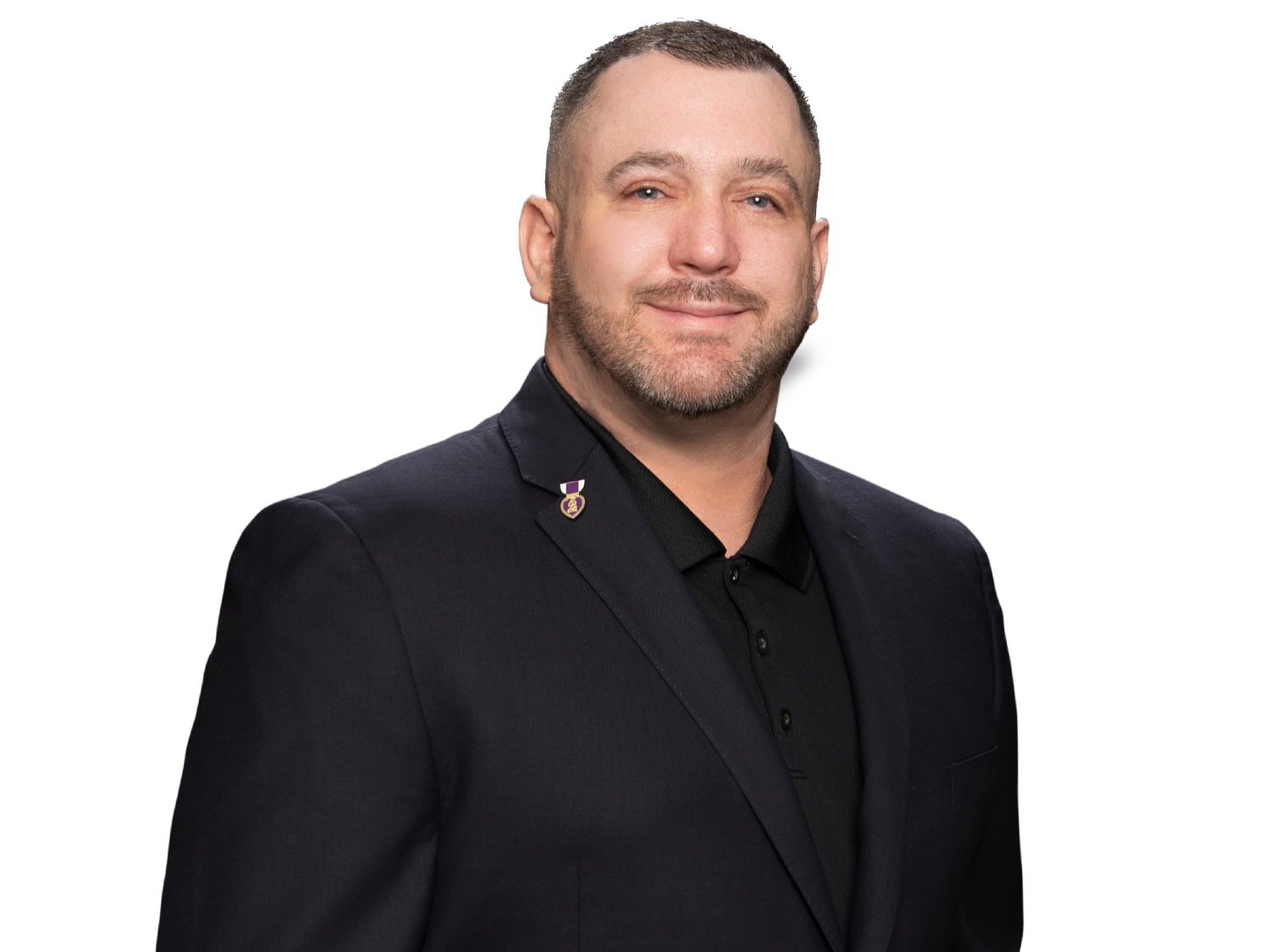
Levi Rodgers is the Founder of VA Loan Network, a leading resource for Veteran homebuyer education. A Retired Green Beret and Broker-Owner of LRG Realty in San Antonio, Levi leverages his military discipline and real-world real estate expertise to provide Veterans with expert loan advice, guidance, and trusted financial leadership.