


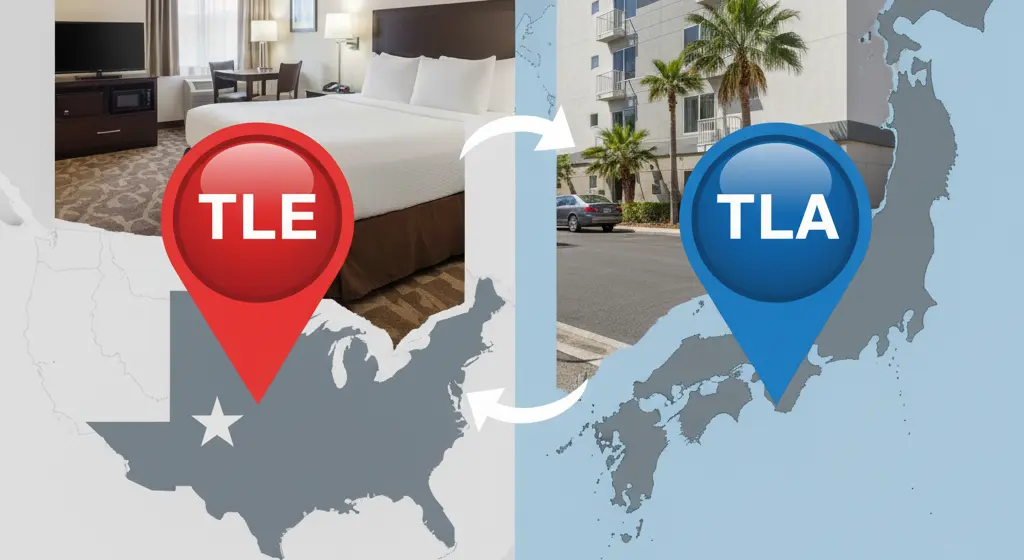
The essential split is location: TLE reimburses temporary lodging and meals for PCS moves that happen within CONUS, while TLA applies to PCS moves to, from, or between OCONUS locations. Both are partial reimbursements, with daily caps tied to local per diem and family size. Your clock, receipts, and proof of active house-hunting (for TLA) determine how much you’ll actually receive.
Quick Facts
- TLE = CONUS moves; TLA = OCONUS moves to/from/between overseas locations.
- Typical TLE: up to 21 days CONUS; 7 days for CONUS-to-OCONUS staging.
- Typical TLA: up to 60 days on OCONUS arrival, approved in 15-day blocks.
- Both are partial reimbursements based on local per diem and family size.
- Keep itemized receipts; file promptly to avoid avoidable denials or delays.
FAQ’s
What’s the single biggest difference?
TLE is used stateside (CONUS-to-CONUS, and up to seven days before departing CONUS for overseas). TLA is used overseas (OCONUS arrivals/departures). Both partially cover temporary lodging and meals during a PCS when used correctly.
How long can I use each benefit?
TLE commonly covers up to 21 days for CONUS moves; for CONUS-to-OCONUS you usually get 7 days at the CONUS location. TLA typically covers up to 60 days upon OCONUS arrival, approved in 15-day increments with proof you’re actively seeking housing.
Do I get reimbursed for every dollar I spend?
No. Both are capped by per-diem-based calculations and adjusted for dependents. Your reimbursement is the lesser of actual allowable costs or the authorized daily cap for your location and family size, subject to documentation rules.
Key Takeaways
- TLE is for CONUS moves; TLA covers OCONUS arrivals and select departures.
- TLE typically lasts 21 days; TLA can run 60 days in 15-day increments.
- Both pay the lesser of costs or per-diem-based caps for your family size.
- TLA requires proof of active house-hunting for continued authorization.
- Receipts and timely vouchers are essential to avoid reimbursement delays.
- Confirm local rules; overseas housing availability can drive extensions.

What’s the difference between TLE and TLA?
TLE is for CONUS PCS lodging; TLA is for OCONUS PCS lodging. Both partially reimburse temporary lodging and meals during a PCS, but eligibility, duration, and approval mechanics differ by location and situation. See the Joint Travel Regulations (JTR) for authoritative definitions and scope.
- TLE generally applies at your old or new duty station within the continental United States, including up to seven days for CONUS-to-OCONUS staging at the CONUS location.
- TLA applies overseas: on arrival (and sometimes at departure) to help bridge housing gaps while you secure permanent quarters in an OCONUS location.
- Both reimburse up to authorized caps—neither guarantees full cost recovery for premium hotels, large rooms, or peak-season rates exceeding limits.
- Start by identifying whether your PCS is CONUS-to-CONUS, CONUS-to-OCONUS, or OCONUS-to-OCONUS; that choice determines TLE vs. TLA eligibility.
- Confirm your command’s local implementation and base housing availability; program length and documentation cadence can vary in practice.
- Budget with a cushion—both programs are capped and may not cover all daily lodging and meal costs.
Understanding the CONUS/OCONUS split first ensures you’re using the correct benefit and completing the right documentation from day one.
How long do TLE and TLA last—and when are they extended?
TLE usually covers up to 21 days for CONUS moves; TLA can authorize up to 60 days on OCONUS arrival. TLE for CONUS-to-OCONUS staging is typically seven days in CONUS; TLA departures can authorize up to ten days. Extensions depend on housing availability and command approval. Defense Travel: TLA FAQ.
- TLA is commonly granted in 15-day increments and requires proof you are actively seeking housing; approvals are reviewed periodically until quarters are available.
- Certain high-demand areas may allow longer TLE (up to 60 days) by designation, but these are exceptions and depend on local authority and shortage determinations.
- Departure TLA (OCONUS) is typically shorter (often up to 10 days) to cover the final out-processing window before leaving the overseas duty station.
- Ask your housing office and finance team how the local command interprets “housing shortage” and what documentation they require for increment approvals.
- Plan your booking strategy to match authorization blocks (e.g., 15-day TLA segments) to simplify approvals and receipt audits.
- Keep a running log of housing contacts and showings; TLA approvals often hinge on demonstrated effort.
Duration rules exist to bridge, not replace, permanent housing; align your search cadence to each authorization review cycle.
Who qualifies for TLE or TLA, and what proof is required?
Eligibility hinges on PCS status, location, and documented temporary lodging. For TLA, you must actively search for housing; for TLE, you must be in temporary lodging near the old or new CONUS duty station. Documentation and receipts are mandatory for both programs. Military OneSource: PCS Overview.
- Dependents normally must be present to claim family increments; confirm dependent travel timing to ensure the correct rate and eligibility window.
- Travel days are typically covered by PCS per diem, not TLE/TLA; benefits apply to days spent in authorized temporary lodging at the duty location.
- Local policy may require base lodging first or a non-availability memo before booking commercial hotels—check instructions to avoid denials.
- Secure itemized hotel receipts in the sponsor’s name and keep proof of payment methods for every reimbursable day.
- For TLA, maintain a housing search log (appointments, listings, emails) to support each 15-day approval segment.
- Confirm dependents’ arrival dates and include them on lodging receipts when present to qualify for the correct rate.
Documentation proves eligibility and effort; without it, authorizing officials may deny days or reduce reimbursement.
How are TLE/TLA calculated—and what do they actually pay?
Both pay the lesser of your allowable costs or a per-diem-based cap. Rates depend on location, dependents, and specific program formulas. Expect percentage adjustments for meals and for the number of authorized occupants in the room. Defense Travel: TLE FAQ.
- Reimbursement rarely equals your exact bill; caps apply, and non-allowable items (resort fees, premiums) may be excluded.
- Family composition matters; adding/removing dependents mid-stay changes the authorized rate—notify finance promptly to avoid corrections later.
- Taxes are often reimbursable when properly documented; verify local tax rules on your orders and finance checklist.
- Check the local per diem for your duty station and estimate your daily cap by family size and program rules.
- Request itemized folios from the hotel; separate parking, pet fees, and other non-allowables to simplify auditing.
- Keep daily meal receipts where required and note the command’s policy on room kitchens vs. meal per diem adjustments.
Do the math in advance so you aren’t surprised by reimbursement below your nightly charge; caps and exclusions are routine in both programs.
How do you file and get reimbursed correctly?
Submit a complete voucher with receipts and, for TLA, proof of housing search. Finance typically requires a travel voucher (e.g., DD 1351-2), orders, amendments, and itemized folios. Processing timelines vary by installation and workload. DFAS: Military Travel Pay.
- File promptly after your authorized period ends (TLE) or at each TLA increment; missing suspense dates risks denial or partial payment.
- Use the naming conventions your finance office prefers and attach receipts in chronological order with clear totals.
- Keep copies of everything; resubmissions are common during peak PCS seasons, and having a full packet speeds resolution.
- Confirm your installation’s voucher channel (in-person finance, e-mail, or system upload) and any special coversheets.
- Highlight daily totals on folios and annotate any non-allowable charges to reduce audit back-and-forth.
- Track your voucher status and respond to finance queries within 24 hours to keep funds moving.
Clean packets get paid faster; sloppy documentation leads to holds and rejections, especially during high-volume PCS months.
Comparison: TLE vs. TLA at a glance
Use this table to choose the right benefit and plan your PCS calendar. It summarizes location, duration, claims cadence, and the basic proof required for each program so you can budget realistically and avoid denials before you book lodging.
| Feature | TLE (Temporary Lodging Expense) | TLA (Temporary Lodging Allowance) |
|---|---|---|
| Where it applies | CONUS duty stations (incl. 7 days for CONUS-to-OCONUS staging in CONUS) | OCONUS arrival/departure duty stations |
| Standard duration | Up to 21 days (longer only in designated shortage areas) | Up to 60 days on arrival, reviewed in 15-day increments; up to ~10 days at departure |
| Proof to maintain | Itemized receipts; orders; dependent presence as applicable | Itemized receipts plus documented, active housing search |
| Claim cadence | Often a single claim after the TLE period ends | Filed/paid in 15-day increments with ongoing approvals |
| Calculation basis | Lesser of allowable costs or per-diem-based cap by family size | Lesser of allowable costs or per-diem-based cap by family size |
| Common pitfalls | Using TLE for travel days; missing non-availability memo | Weak housing-search proof; receipts not itemized or in sponsor’s name |
Week-by-week plan to use TLE/TLA without delays
Front-load eligibility, control receipts, and align lodging with approval blocks. A short, disciplined cadence keeps finance happy and your reimbursement timely, even during peak PCS season when approval queues and housing demand are both elevated.
- Week 0: Confirm CONUS/OCONUS status; choose TLE or TLA; check local rules on base lodging and non-availability memos.
- Week 1: Book lodging that issues itemized folios; begin (or log) housing search; set calendar reminders for TLA 15-day review.
- Week 2–3: Audit receipts nightly; annotate non-allowables; maintain a housing-contact log; prepare the voucher shell and attachment list.
- Week 4–5: Submit TLE packet (end of period) or TLA 15-day packet; respond to finance questions within 24 hours; keep copies of all documents.
- Use a single PDF per packet with labeled pages (orders, folios, search log) so reviewers can audit quickly.
- Track per diem daily caps and compare to your nightly rates; adjust lodging if you consistently exceed caps by a wide margin.
- If housing is scarce OCONUS, request your next TLA increment early with updated search proof to avoid gaps.
Small, predictable habits—organized receipts, timely packets, and proactive communication—are the fastest way to turn TLE/TLA from guesswork into reliable reimbursement.
The Bottom Line
TLE and TLA are useful, but they are not blank checks. Start by choosing the right program based on where your PCS lands, then plan to the caps, not your hotel’s rack rate. Keep receipts itemized, in the sponsor’s name, and file exactly when your installation requires.
For TLA, a real housing search log is non-negotiable. If dependents join or leave mid-stay, tell finance so your rate matches reality. When local rules require base lodging first, get the non-availability memo before you book.
If costs run high, adjust quickly. Clean packets, clear timelines, and proactive communication are the fastest path to full, on-time reimbursement.
Frequently Asked Questions
Can I use both TLE and TLA on one PCS?
Yes, when your PCS includes both CONUS and OCONUS segments. You’ll generally use TLE stateside and TLA overseas, each following its own rules, durations, and documentation standards.
Do travel days count toward TLE or TLA?
No. Travel days are typically covered by PCS per diem, not TLE or TLA. TLE/TLA cover days you’re in authorized temporary lodging at the duty location, subject to program limits.
What if my hotel can’t provide itemized folios?
Ask for an itemized, nightly breakdown with taxes and fees separated. If they refuse, consider changing lodging—lack of itemization often causes reimbursement reductions or denials.
Can I use short-term rentals instead of hotels?
Sometimes, but only if your command/finance office accepts those receipts and the vendor can provide compliant folios. Always clear alternative lodging in advance to avoid rejected claims.
How do dependents affect my rate?
Authorized family members present in lodging usually increase the daily cap. Notify finance of arrival or departure of dependents so your authorized rate matches who is actually lodging.
What happens if I exceed the per-diem-based cap?
You’re reimbursed the lesser of allowable costs or the cap. If you consistently exceed caps, switch to lower-cost lodging or adjust your room type to minimize out-of-pocket costs.
Can TLA be extended past 60 days?
Extensions beyond standard limits are rare and require strong justification tied to housing availability and command approval. Start your housing search immediately and document every attempt.
Do I need a non-availability memo?
Often, yes, when base lodging exists but no rooms are available. Get the memo before booking commercial lodging; lack of documentation can lead to denied or reduced reimbursement.
How fast are TLA payments made?
TLA is commonly processed in 15-day increments; payment timing depends on local finance workload and packet completeness. Clean, complete submissions are paid the fastest.
What’s the most common reason for denial?
Missing or non-itemized receipts and weak documentation of housing search (for TLA). Keep folios detailed, retain proof of payments, and maintain an organized search log for every day claimed.

Levi Rodgers is the Founder of VA Loan Network, a leading resource for Veteran homebuyer education. A Retired Green Beret and Broker-Owner of LRG Realty in San Antonio, Levi leverages his military discipline and real-world real estate expertise to provide Veterans with expert loan advice, guidance, and trusted financial leadership.