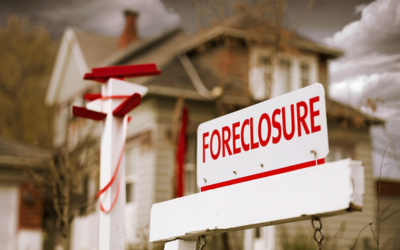
Buying a House After a VA Foreclosure
Yes, buying again after a VA foreclosure is possible in 2026, but the path usually depends on three things: waiting long enough, proving your credit has stabilized, and understanding how much entitlement is still available. Many Veterans can buy again with remaining entitlement even before full restoration, but the math and lender overlays matter.
Next step: Check Your Remaining VA Loan Eligibility
The Two-Year Waiting Period
- Typical lender rule: Most lenders want about two years from the date the foreclosure legally completed before approving a new VA purchase.
- Clean credit still matters: During that period, lenders usually want strong on-time payment history on your other debts.
- Possible shorter timeline: Some lenders may consider about 12 months if documented extenuating circumstances caused the foreclosure.
- Action: Treat two years as the baseline unless a lender confirms a shorter rule in writing.
Calculating Bonus Entitlement
- What gets tied up: If VA paid a claim after foreclosure, that loss amount stays charged against your entitlement until restored.
- 2026 standard limit: In most one-unit counties, the baseline conforming limit is $832,750, which creates a 25% guaranty base of $208,187.50.
- Basic math: Your remaining entitlement is that guaranty base minus the entitlement still tied up from the foreclosure.
- Down payment gap: If the new price exceeds four times your remaining entitlement, you can often still buy by covering 25% of the shortfall.
The Funding Fee Increase
- Subsequent use pricing: After a prior VA use, the zero-down funding fee is usually higher than a first-time use purchase.
- 2026 purchase tier: For many subsequent-use zero-down purchases, the funding fee is 3.3% unless you are exempt.
- Exemption still matters: A qualifying funding fee waiver can remove this cost entirely.
- Action: Price the new loan using the higher fee first, then adjust only if your exemption is already confirmed.
Restoration and 2026 Qualification Tips
- Full restoration: To restore full entitlement after a VA loss, you generally need to repay the government’s loss amount.
- Credit targets are tighter: Many lenders look for stronger post-foreclosure credit, often around 620 or higher, even though VA sets no minimum score.
- Federal debt screening matters: Lenders may check for unresolved federal debt issues that can block approval.
- Action: Pull your COE, clear any federal debt issues, and rebuild your file before applying again.
Frequently Asked Questions
Can you get another VA loan after a foreclosure?
Do you need to repay the VA before buying again?
How long do you usually have to wait after a VA foreclosure?
Buying A House After A VA Foreclosure (2026)
Can you buy again with a VA loan after foreclosure, and will you need money down? Usually yes, but the file has two hard reality checks: lender “seasoning” after the foreclosure and how much entitlement is still available after any VA loss claim. Most surprises come from skipping the COE review, assuming the two-year clock starts on the first missed payment, or discovering a federal debt flag late in underwriting.
Can You Buy Again With A VA Loan After Foreclosure?
Yes, many borrowers buy again with VA after foreclosure. The key is separating “VA eligibility” from “lender approval,” because lenders control waiting periods, credit overlays, and cash-to-close rules. Your plan should assume a conservative path: verify entitlement on the COE, document a clean payment history after the event, and build enough budget margin that a rate, escrow, or credit refresh change doesn’t break the deal.
- Foreclosure does not erase the VA benefit, but it often leaves an entitlement charge and a credit event that lenders treat as a higher-risk file.
- If your next purchase needs perfect pricing or a perfect appraisal to qualify, the file is fragile and is more likely to fail during underwriting updates.
- A realistic “yes-but” scenario is having plenty of income, but losing approval when the lender counts both housing payments and rental income isn’t accepted yet.
- Start with your COE and a realistic lender timeline, because entitlement and seasoning are what set your true buying window and price range.
- Model the next payment using conservative taxes and insurance, because escrow increases after closing are common and thin-margin files break quickly.
- Plan for a lender credit refresh before closing, because a late score drop or new debt can force a re-qualify even after initial approval.
Buying again is usually about preparation and timing, not about finding a special “loophole” lender.
Explore More VA Loan Credit & Qualification Guides
- Manual Underwriting for VA Loans – Explains lender flexibility when automated systems deny Veterans mortgage approval.
- Minimum Credit Score Needed for VA Loans – Find out score requirements most lenders expect for VA loan approval.
- Can You Get a VA Home Loan with a 580 Credit Score? – Discover lender policies for low-credit Veterans seeking mortgage approval.
- How Your Credit Score Impacts VA Loan Rates – Understand how your score directly influences monthly mortgage interest costs.
- How to Improve Your Credit Before Applying for a VA Loan – Tips for boosting credit to secure better VA mortgage approval.
- Grossing Up VA Disability or Tax-Free Income – Explains how lenders increase untaxed income when calculating VA qualification.
- What Counts as Qualifying Income for a VA Loan? – Review acceptable income sources lenders use to approve VA borrowers.
VA Loan After Foreclosure in 2026: Waiting Period, Entitlement, and Approval Reality
A foreclosure does not permanently end your VA home loan benefit. In 2026, the real question is whether you can clear three gates: (1) enough time has passed for the lender’s seasoning rules, (2) you have enough remaining entitlement (or a plan to restore it), and (3) your file looks stable now—credit, income, cash flow, and federal debt checks. This guide breaks down what lenders actually do, what the VA controls, and how to build a clean re-approval plan.
- Quick Filter: Most lenders want about 2 years after foreclosure completion, plus a clean rebuild.
- Quick Filter: If the VA paid a claim on your prior VA loan, entitlement can stay charged until the loss is repaid.
Can You Get a VA Loan After a Foreclosure?
Yes, in many cases you can. A foreclosure doesn’t permanently disqualify a Veteran from using VA benefits. The catch is practical: most lenders impose seasoning requirements, and your entitlement position may be reduced if the VA incurred a loss on the prior loan. The clean planning move is to treat this like a three-part rebuild: confirm your timeline, confirm your entitlement, then build a “boring” approval file with stable income, clean payment history, and documented reserves.
Scenario: Eligible Again, But Not Yet Financeable
A Veteran is eligible for VA benefits, but the foreclosure completed less than two years ago and credit is still rebuilding. The benefit exists, but most lenders won’t underwrite it yet. The fix is time plus a clean, documented rebuild period.
Underwriter’s Note: “Eligible” and “Approvals Exist” Are Not the Same
The VA benefit can still exist after a foreclosure. Approval depends on the lender’s seasoning policy, the file’s stability today, and whether entitlement is available for the new loan structure you want (especially $0 down).
How the Two-Year Waiting Period Works in Real Files
Many lenders use a two-year seasoning period after foreclosure before approving a new VA purchase. The key detail is the start date. In most underwriting workflows, the clock starts when the foreclosure is legally completed (often when title transfers out of your name), not when you missed the first payment. If your goal is to buy again on a predictable timeline, get the completion date documented and build your plan from that point forward.
These are the practical “timing facts” that determine whether a lender treats you as seasoned.
- Completion date matters: Lenders usually season from the legal foreclosure completion/title transfer date, not the first delinquency date.
- Short sale and deed-in-lieu can be treated similarly: Many underwriting policies apply comparable seasoning logic across foreclosure alternatives, depending on the program and investor rules.
- Credit rebuild must be clean during the wait: A new late payment or collection during the seasoning window can reset the lender’s comfort level.
- Expect overlays to vary by lender: Some lenders are comfortable right at the 24-month mark; others prefer additional time or stronger compensating factors.
Can You Qualify Sooner With Extenuating Circumstances?
Sometimes, but it’s not automatic. Some lenders may consider a shorter wait when the foreclosure was caused by documented, one-time circumstances outside your control and the rest of the file is strong. The standard for “extenuating” is higher than “life was expensive.” It needs clear documentation, a tight timeline, and proof you’ve re-established stable payments since. If you pursue this path, build it like an underwriter: evidence first, narrative second.
If you’re asking for an exception, these are the elements that usually need to be present.
- Clear cause: Severe illness, death of a wage-earning spouse, or another documented event that explains why the default occurred.
- Time-bound event: The situation must read as a one-time shock, not a continuing instability.
- Strong rebuild: Clean housing and installment history after the event, with no new derogatory credit.
- Compensating factors: Reserves, strong residual income margin, and stable employment make exceptions more plausible.
Scenario: The Story Is Real, but the File Can’t Prove It
A borrower had a legitimate hardship, but can’t document dates, medical records, or income disruption clearly. Underwriting treats the cause as unverified and applies the standard seasoning window anyway.
Entitlement After Foreclosure: What Gets “Tied Up”
Entitlement is where many post-foreclosure plans break. If your prior foreclosure involved a VA loan and the VA paid a guaranty claim (a loss), that loss amount can remain charged against your entitlement until it’s repaid. That doesn’t always stop you from buying again, but it can reduce $0-down capacity and change the price point you can execute. Your job is to pull a current COE and understand what is still charged and what remains available.
| Prior Event | What Happens to Entitlement | What You Can Do About It | Common Execution Risk |
|---|---|---|---|
| VA loan ended with foreclosure/short sale/deed-in-lieu and VA took a loss | Loss amount can remain charged to entitlement until repaid | Repay the VA loss to restore full entitlement, or use remaining entitlement if sufficient | Buyer assumes “foreclosure only affects credit,” then discovers $0-down capacity is reduced |
| Prior VA loan paid off in full (no loss) | Entitlement can typically be restored | Request restoration through VA process/COE update | Entitlement restoration not processed before shopping for the next home |
| Eligible Veteran assumes the loan and substitutes entitlement | Seller’s entitlement can be released for the substituted amount | Use substitution of entitlement when applicable | Assumption closes without substitution; entitlement stays tied up |
Deal Saver: Confirm the VA Loss Amount Before You Set a Price Target
If your COE shows entitlement charged that was never restored, get clarity on whether a VA loss exists and what repayment would restore. Your price range and down payment plan should be based on what you can actually execute today.
How to Estimate $0-Down Capacity With Remaining Entitlement
If you’re partial entitlement, many lenders use VA’s remaining entitlement framework to gauge whether $0 down is possible at your target price. The core concept is that remaining entitlement available is tied to 25% of the county loan limit, reduced by entitlement previously used and not restored. Then, a common planning shortcut is multiplying remaining guaranty by 4 to estimate a rough $0-down ceiling. It’s an estimate, not a promise, but it’s decision-grade enough to set a realistic target range.
Use this sequence to build a planning estimate that matches how lenders usually approach it.
- Pull a current COE: Identify entitlement previously used and not restored so you’re not guessing about the starting point.
- Use the property’s county one-unit limit input: Determine the correct county limit value because this drives the 25% guaranty base used in the entitlement math.
- Calculate remaining guaranty: Take 25% of the county limit and subtract the entitlement already used and not restored.
- Estimate $0-down ceiling: Multiply remaining guaranty by 4 to estimate a rough $0-down maximum many lenders use for planning.
| Example (Most Counties) | County One-Unit Limit | 25% Guaranty Base | Entitlement Still Charged | Remaining Guaranty | Rough $0-Down Estimate (×4) |
|---|---|---|---|---|---|
| Illustrative planning example | $832,750 | $208,187.50 | $75,000 | $133,187.50 | $532,750 |
Scenario: You Can Buy Again, but Not at the Price You Assumed
A Veteran assumes a second VA purchase will be $0 down at the same price point as before. After calculating remaining entitlement, the lender shows a lower $0-down ceiling. The buyer can still buy—just with a lower target price or a down payment plan.
Underwriting After Foreclosure: What Lenders Usually Require
Clearing the waiting period is not the finish line. After a foreclosure, most lenders tighten overlays to protect risk: higher credit score targets, stricter documentation, and less tolerance for new late payments. Underwriters typically want to see a clean rebuild with stable employment, stable housing payments, and a budget that passes both DTI and residual income logic. If the file is borderline, reserves become a major compensating factor.
These are the approval drivers that most often decide “yes vs no” after foreclosure.
- Credit overlay reality: Even though VA doesn’t set a minimum score, many lenders target a stronger credit score after a foreclosure to offset risk.
- Clean payment history: Underwriters look for no new late payments, collections, or charge-offs during the rebuild window.
- Income stability matters more: Variable income, self-employment, or a recent job change increases documentation burden and reduces exception tolerance.
- Cash reserves help: Verified post-closing reserves are one of the cleanest compensating factors when the file is tight.
Approval Watchpoint: Don’t Rebuild With New Consumer Debt
Many borrowers rebuild credit by opening multiple new accounts. After foreclosure, that often backfires: it raises monthly obligations and can reduce residual income. A clean rebuild is fewer new accounts, clean payment history, and real reserves.
CAIVRS and Federal Debt Checks: The Hidden Stop Sign
Even a strong credit rebuild can be blocked if a federal debt indicator is unresolved. Lenders may check federal databases such as CAIVRS (managed by HUD) to ensure you’re not delinquent on certain federal obligations or associated claims. For VA borrowers, the practical issue is simple: if your prior VA loan created a loss and you have unresolved federal debt status, it can stall or block approval until resolved. This is a “fix before you shop” item.
If you want to avoid a last-minute denial, handle these checks early.
- Ask the lender whether CAIVRS will be checked: If yes, confirm what triggers a “hit” and what documentation resolves it.
- Resolve federal delinquencies: If you have a delinquent federal debt, lenders typically require it to be resolved or on an acceptable documented repayment plan.
- Confirm VA loss repayment status: If entitlement is charged due to a VA loss, contact the VA to confirm payoff amount and restoration path.
- Keep paper clean: Underwriting moves faster when the resolution is documented and time-stamped, not explained verbally.
Lender Reality Check: This Can Be Binary
CAIVRS and federal debt indicators are often treated as “eligible or not eligible,” not as a spectrum. Don’t wait to discover this during final underwriting when timing is tight.
Action Plan: How to Build a Re-Approval File That Actually Closes
After foreclosure, the winning strategy is boring and documented. Your goal is to remove ambiguity: clear dates, clear entitlement, clean credit rebuild, and stable income. If you plan to buy at the top of your range, add reserves and reduce monthly obligations, because that’s what keeps lenders comfortable. The best timeline is the one you can execute without exceptions.
Use this checklist to get from “eligible in theory” to “approved in practice.”
- Document the foreclosure completion date: Get the recorded date/title transfer date so your seasoning clock is not guesswork.
- Pull an updated COE: Confirm whether you are full or partial entitlement and whether any VA loss remains charged.
- Run entitlement math early: Set a realistic price target and down payment plan based on remaining guaranty, not assumptions.
- Rebuild credit cleanly: No new lates, keep utilization low, and avoid stacking new consumer debt that raises DTI.
- Build reserves and document them: Reserves strengthen manual underwriting and reduce risk concerns after foreclosure.
- Clear federal debt flags: Resolve any CAIVRS-related issues and confirm repayment plans in writing before you write offers.
Deal Saver: Don’t Write Offers Until You Know Your Real $0-Down Capacity
Many post-foreclosure deals fail when the buyer assumes $0 down, then learns entitlement is reduced and a down payment is required. Confirm entitlement and county-limit inputs before you shop at a price point that depends on $0 down.
Related Waiting-Period Topic Borrowers Often Confuse
A common mix-up is treating foreclosure rules and bankruptcy waiting-period rules like they are identical. They are not. Lenders often underwrite them with similar “seasoning plus rebuild” logic, but the timeline, documentation, and risk analysis can differ. If your file includes both a bankruptcy and a foreclosure, you need the stricter timeline and cleaner documentation package to control the deal.
Approval Watchpoint: Don’t Borrow a Bankruptcy Timeline for a Foreclosure File
Borrowers often hear a bankruptcy waiting period and assume the same rule applies after foreclosure. Lenders usually look at the actual derogatory event, its completion date, and the rebuild period that followed. Use the correct event and date or your timeline will be wrong from day one.
The Bottom Line
In 2026, a foreclosure does not permanently eliminate your VA home loan benefit. Most lenders still require a seasoning period (commonly about two years from foreclosure completion), and you must also have usable entitlement. If the VA paid a claim on your prior VA loan, entitlement can remain charged until the loss is repaid, which can reduce $0-down buying power. Beyond time and entitlement, approval depends on today’s file: clean payment rebuild, stable income, workable DTI and residual income, and no unresolved federal debt indicators that can trigger a stop. The reliable path is simple: confirm dates, confirm entitlement, rebuild clean, and keep reserves.
Frequently Asked Questions
Can a Veteran get a VA loan after foreclosure?
Often yes. A foreclosure does not permanently bar VA benefit use. Approval usually depends on lender seasoning rules, your current credit/income profile, and whether you have sufficient remaining entitlement or a restoration plan.
When does the “waiting period clock” usually start?
Many lenders season from the foreclosure completion/title transfer date, not the first missed payment. The practical step is documenting the completion date so your timeline isn’t guesswork.
Does a VA foreclosure reduce entitlement permanently?
If the VA incurred a loss and paid a claim, that loss can remain charged to entitlement until repaid. You may still have remaining entitlement available, but $0-down capacity can be reduced.
Can I get $0 down after foreclosure?
Possibly. It depends on your remaining entitlement and county loan limit inputs used for the entitlement calculation. If remaining entitlement is short, a down payment may be required at higher price points.
What credit score do lenders usually want after foreclosure?
VA doesn’t set a minimum score, but many lenders apply overlays after foreclosure and may target higher scores. The bigger driver is a clean rebuild—no new lates, stable income, and workable cash flow.
What is CAIVRS and why can it block a VA loan?
CAIVRS is a HUD-managed federal debt database used by agencies and authorized lenders to verify applicants aren’t delinquent on certain federal obligations. Unresolved federal debt indicators can stop a loan until resolved.
What’s the fastest way to improve approval odds after foreclosure?
Confirm your entitlement and timeline early, rebuild credit without new lates, keep consumer debt low, document stable income, and maintain reserves. Most denials come from weak rebuild patterns or entitlement surprises.
Resources Used
- How foreclosure affects your future VA home loan benefit (restoration of entitlement) (VA.gov)
- VA Circular 26-18-25 (repaying VA loss to restore full entitlement) (VA.gov PDF)
- Remaining entitlement formula (25% of county limit minus entitlement used and not restored) (Benefits.va.gov)
- VA entitlement and loan limits overview (COE and entitlement basics) (VA.gov)
- CAIVRS overview and federal debt eligibility impact (HUD.gov)
- CAIVRS description as HUD-managed shared federal debt database (FederalRegister.gov)
- FHA three-year waiting period begins when FHA pays claim (HUD.gov PDF)
- USDA guidance referencing foreclosure within 3 years and extenuating circumstances (USDA.gov PDF)