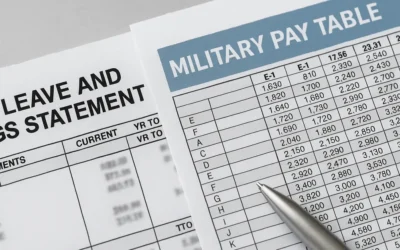


raise, allowances, and COLA timing
2026 Military Pay Raise Guide
For 2026, basic pay rose by 3.8 percent starting January 1, 2026, which impacts active duty and members on qualifying orders. Allowances moved too, especially housing and food, and Veteran COLA followed a separate schedule tied to inflation. Use this page to sanity check your rank, time in service, and the pay items that actually change your take home pay.
3.8 percent basic pay raise, effective Jan 1
- What changed: Basic pay increased by 3.8 percent for 2026, effective January 1, 2026, and applies by grade and longevity step.
- Who it hits: Active duty and activated Guard and Reserve members see the raise in base pay, which is the taxable foundation for many entitlements.
- What it is not: The base pay raise is separate from allowances, and your net pay can move more from BAH changes than from base pay.
- Where to confirm: Verify the statutory adjustment and timing using the Congressional Research Service summary of the 2026 pay raise.
2026 monthly basic pay samples
- E 1 under 2: About $2,407 per month, which is the entry level baseline after the 2026 raise.
- E 5 ranges: About $3,343 under 2 years, around $4,110 over 6 years, and about $4,395 over 10 years.
- O 3 ranges: About $5,535 under 2 years, around $7,737 over 6 years, and about $8,376 over 10 years.
- Reality check: Your LES can differ due to special pays, tax withholding, and allotments, so treat samples as a planning shortcut.
BAH and BAS changes matter most for take home
- BAH average: BAH increased by about 4.2 percent on average for 2026, effective January 1, but your locality rate can move up or down.
- BAS enlisted: BAS is $476.95 per month for enlisted members in 2026, set as a flat monthly allowance category.
- BAS officer: BAS is $328.48 per month for officers in 2026, with deductions and duty conditions still affecting what you net.
- Budget tip: If your BAH moved, update housing, utilities, and commute costs first, then reassess savings and debt payments.
Family Separation Allowance and Veteran COLA
- FSA increased: Family Separation Allowance is $300 per month for qualifying separations, intended to offset added costs during involuntary family separation.
- Veteran COLA differs: The 2.8 percent COLA for VA disability is separate from the basic pay raise and follows VA effective dates.
- Timing nuance: VA compensation rates for 2026 are effective December 1, 2025, so payments reflecting the increase can show up before January.
- Planning angle: If you are transitioning soon, map base pay, allowances, and VA income on a monthly calendar to avoid cash flow surprises.
FAQs
When did the 2026 military pay raise start?
Is the 3.8 percent raise the same as BAH and BAS changes?
How does the 2026 COLA for VA disability relate to military pay?
What Changed in 2026 Military Basic Pay?
Military basic pay increased 3.8 percent effective January 1, 2026. The raise applies across the basic pay table, but the dollar change varies by pay grade and years of service. This section explains what the raise does, what it does not change, and why your qualifying income depends on documented pay, not a headline percentage.
- The 3.8 percent increase raises the base pay line item used for many mortgage income calculations, but it does not automatically change BAH, BAS, or other entitlements that have separate annual updates.
- The real impact differs by grade and years of service because the pay table is cell based, so two Service members can see different monthly increases even under the same percent raise.
- Mortgage underwriting still depends on continuity and documentation, so the raise helps most when your income history is stable and your pay records support the new year to date pattern.
- A pay raise can improve affordability only if the monthly payment stays realistic, so the smart move is using the increase to strengthen reserves and reduce debt, not to stretch to a higher price.
Military basic pay increased 3.8 percent for calendar year 2026 under the statutory formula and went into effect January 1, 2026. Defense Primer: Military Pay Raise (CRS).
How Much Is Enlisted Basic Pay in 2026?
Enlisted basic pay in 2026 depends on pay grade and years of service. A raise headline is not enough, because lenders and budgets need the exact monthly cell that matches your current service time. The table below shows common enlisted examples, then explains how to use the numbers for budgeting and for mortgage qualification planning.
| Pay Grade | 2 or Less | Over 6 | Over 10 |
|---|---|---|---|
| E-1 | $2,407.20 | $2,407.20 | $2,407.20 |
| E-3 | $2,836.80 | $3,198.00 | $3,198.00 |
| E-5 | $3,342.90 | $4,110.00 | $4,395.30 |
| E-7 | $3,932.10 | $4,843.80 | $5,300.40 |
- Use your exact pay cell when estimating qualifying income, because lenders do not average in a hypothetical raise, they verify what your pay statement and year to date totals actually show.
- Plan budgets using the total payment, not only base pay, because escrow items and HOA dues can absorb most of a raise if you buy at the top of the range.
- If you are close to a DTI line, small base pay increases may not move approval much unless you also reduce monthly debts, because lenders count minimum required payments regardless of what you usually pay.
- When your pay grade or service time is about to change, document timing clearly, because underwriting may use current pay for approval unless the promotion and effective date are confirmed in writing.
Verify your precise enlisted basic pay cell for 2026 using the official table. DFAS Basic Pay Enlisted Effective January 1, 2026.
How Much Is Officer Basic Pay in 2026?
Officer basic pay in 2026 also depends on pay grade and years of service. Many officer pay cells flatten at certain years, so buyers should not assume pay rises linearly every few years. The table below gives common officer examples, then explains how to use the numbers for a purchase budget and for underwriting readiness.
| Pay Grade | 2 or Less | Over 6 | Over 10 |
|---|---|---|---|
| O-1 | $4,150.20 | $5,222.40 | $5,222.40 |
| O-3 | $5,534.10 | $7,737.00 | $8,375.70 |
| O-4 | $6,294.60 | $8,332.20 | $9,420.00 |
- Higher base pay does not guarantee a higher approval if other debts are high, because underwriting is ratio driven and the total payment includes taxes, insurance, and HOA dues that scale with home price.
- Officer pay can include special pays and incentives, but lenders often require a history and likelihood of continuance, so you should qualify using the stable portion first, then treat variable pay as upside.
- If you are approaching a PCS, deployment, or training pipeline change, document future housing plans early, because lender confidence depends on continuity, stable income, and clear intent to occupy the home as a primary residence.
- Use pay cell accuracy for your own budget, because a small underestimation can push you into a fragile payment once escrow and maintenance costs are added to the monthly obligation.
Verify your precise officer basic pay cell for 2026 using the official table. DFAS Basic Pay Officers Effective January 1, 2026.
How Does 2026 BAH Affect Your Monthly Budget?
BAH affects the real monthly budget because it can be a large part of take home cash for many Service members. BAH rates changed for 2026, but the impact is location specific, not uniform, and some duty stations can see small decreases even when the national average rises. This section explains how to plan for the reality that BAH is location based and can change at PCS.
- BAH is intended to offset local housing costs, so the amount depends on duty station, pay grade, and dependent status, which is why budgeting based on a national average misses the real number.
- Mortgage qualification may count BAH as stable income when documented on an LES and expected to continue, but buyers should still budget using conservative assumptions when a PCS could change the allowance.
- When you buy near a new duty station, confirm whether your BAH matches the area long enough to support the mortgage payment, because sudden allowance changes can stress budgets even if income stays stable.
- If you plan to rent the home later after a PCS, keep your purchase payment comfortably below your current cash flow ceiling, because rental income is not guaranteed and vacancy and repairs can turn tight budgets into payment stress.
BAH rates increased an average of 4.2 percent effective January 1, 2026. Basic Allowance for Housing (BAH).
What Are 2026 BAS Rates and Why Do They Matter?
BAS matters because it is a recurring allowance that supports take home cash flow and can be counted by lenders when documented. BAS is not designed to pay for housing, but it still helps monthly budgeting, especially for food costs that rise during moves, training cycles, and family changes. This section explains 2026 BAS rates and how to treat them correctly in a housing plan.
- Enlisted BAS is $476.95 per month and officer BAS is $328.48 per month in 2026, so the allowance is meaningful for budgeting but usually not the primary driver of mortgage affordability.
- Lenders may count BAS as stable income when it is documented and expected to continue, but the smarter approach is using BAS to strengthen savings and reduce consumer debt so your ratio profile improves.
- BAS can change with certain duty conditions and meal deductions, so the safest budget uses your actual LES line items rather than a generic allowance assumption.
- When you use allowances for qualification, remember that underwriting cares about continuity, so document any expected duty changes that could affect allowances before closing to avoid last minute recalculations.
Current 2026 BAS monthly rates are posted here. Basic Allowance for Subsistence (BAS).
How Do You Document Military Pay for Mortgage Underwriting?
You document Military income by proving amount, stability, and likelihood of continuance. The strongest files use a clean LES history and a consistent deposit trail, then clearly separate stable base pay from variable pays. This section lays out a practical document sequence you can follow so underwriting does not stall on missing pages, unclear deposits, or inconsistent income labeling.
- Collect the most recent LES and the prior two months of LES history so underwriters can see base pay, allowances, and any special pays in a consistent pattern, then confirm deposits match the totals.
- Gather two months of complete bank statements for the accounts receiving direct deposit so the lender can verify the payment trail and source any large non payroll deposits that could trigger conditions.
- Write a short income note if you have pending changes, such as a promotion effective date or a duty station change, so the lender understands what is stable now and what is expected to change.
- Keep your profile stable through closing by avoiding new credit, new debt, or unexplained transfers, because underwriting will refresh credit and recheck accounts before the loan funds.
How Should You Use the 2026 Raise to Improve VA Loan Affordability?
The best way to use a raise is improving margin, not maximizing price. Mortgage stress usually comes from thin reserves, high revolving debt, and a payment that assumes taxes and insurance will never rise. This section gives high impact moves that turn higher pay into stronger approval odds and a safer monthly payment, without forcing risky tradeoffs.
- Use the first months of the raise to build reserves equal to several months of total housing payment, because reserves reduce underwriting risk and protect your household when repairs or escrow changes hit.
- Pay down revolving balances and remove one monthly payment where possible, because lowering monthly obligations improves DTI, improves residual income, and often improves pricing through better credit profile.
- Price homes using the full monthly payment, including taxes, insurance, and HOA dues, because a raise can be erased quickly by escrow changes when you buy at the edge of approval.
- Choose stability over stretch by setting a personal payment ceiling below what a lender might approve, because controlled affordability is what keeps the home viable through PCS cycles and life disruptions.
The Bottom Line
The 2026 Military pay raise increases base pay across the pay table, but your real buying power depends on total monthly cash flow after taxes, insurance, HOA dues, and consumer debts. Use the correct pay cell for your grade and years of service, then add allowances using your actual LES, not a generic estimate. If BAH or BAS changes soon due to PCS or duty status changes, budget conservatively and keep a larger reserve cushion. The strongest mortgage files pair higher income with lower monthly debts, clean bank statements, and stable documentation that underwriting can verify quickly. Finally, treat the raise as a readiness tool: build reserves, reduce revolving balances, and set a payment ceiling that leaves margin after bills, so you can keep the home through normal escrow increases and unexpected repairs.
References Used
Frequently Asked Questions
When did the 2026 Military pay raise start?
The 2026 Military basic pay increase took effect January 1, 2026. Your first paycheck reflecting the increase depends on your pay cycle and LES timing. Use the 2026 pay table cell for your grade and years of service to confirm the amount.
Does the 2026 pay raise apply to Guard and Reserve members?
The basic pay raise applies across uniformed pay tables, and drilling Guard and Reserve members see the increase in drill pay rates tied to the updated basic pay table. Your mortgage qualification still uses documented recurring income and lender rules.
Is BAH taxed and can it be used for a mortgage?
BAH is generally not subject to federal income tax and many lenders count it as qualifying income when it is stable and documented on an LES. Budget conservatively if a PCS could change your BAH, because the mortgage payment stays fixed.
What is the easiest way to find my exact 2026 base pay?
Use your pay grade and years of service to locate the correct cell on the official 2026 pay table, then compare it to your LES. Do not rely on generic estimates, because the pay table is cell based and changes by service time.
Do lenders count BAS for mortgage qualification?
Many lenders can count BAS when it is documented and expected to continue, but it is usually a secondary income line compared with base pay and BAH. Use BAS to strengthen savings and reduce debts so your approval profile improves.
Does a pay raise automatically increase my VA loan approval amount?
Not automatically. Lenders verify income and debts and qualify the full housing payment including taxes and insurance. A raise can help, but approvals often change more when monthly debts drop, reserves rise, and the total payment stays within a safe budget range.
How many LES statements do lenders usually request?
Many lenders request the most recent LES and may request additional months if pay is variable or if special pays appear. Lenders also verify deposits with bank statements. Submitting complete documents early reduces underwriting questions and keeps timelines tight.
Can I qualify using overtime, bonuses, or special pays?
Sometimes. Lenders typically require a history and evidence the income is likely to continue. If the income is new, irregular, or tied to a temporary assignment, the lender may discount it or exclude it. Qualify using stable base pay first when possible.
What is the biggest budget risk after a pay increase?
The biggest risk is stretching to a higher payment and losing margin. Escrow changes, insurance renewals, and repairs can raise monthly costs after closing. The safer move is keeping a personal payment ceiling, building reserves, and paying down revolving debt first.
What should I do before applying for a mortgage after the raise?
Update your budget using your new base pay, gather recent LES statements and bank statements, and reduce monthly debts if possible. Avoid new credit activity. A clean documentation packet and stronger reserves often improve approval faster than chasing a higher purchase price.