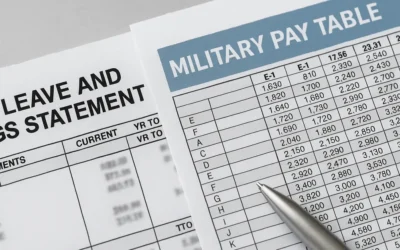

What We Know for 2026
- Basic pay is scheduled to rise 3.8% across all grades, so higher ranks see larger dollar increases even with the same percentage.
- BAH rates are expected to rise on average, but your exact change depends on duty location, pay grade, and whether you have dependents.
- BAS rates and family separation allowance amounts are also set to increase, which can lift total monthly compensation beyond basic pay alone.
- Retirees and VA disability recipients receive a separate COLA adjustment that is not tied to the active-duty pay raise formula.
What Is Still Pending
- DFAS typically releases the full 2026 pay tables late in December, which is when you can confirm the exact monthly number by grade and longevity.
- A targeted junior enlisted adjustment for E-1 through E-4 has been debated, but the final table structure and effective detail may arrive later.
- Some special and incentive pays can change through separate policy updates, so eligibility rules may shift even when basic pay is fixed.
- Any one-time bonus proposals should be treated as developing until DFAS posts an entitlement line and your LES reflects the payment.
Top Questions About 2026 Military Pay Raise
What Are the New 2026 Military Pay Charts for E-1 to E-4, Including the Proposed Pay Raise?
The 3.8% raise is known, but the full E-1 to E-4 tables can still be pending until DFAS publishes the finalized chart. For estimates, take your current monthly basic pay and multiply by 1.038. If an extra junior enlisted adjustment is approved, it will show up as higher E-1 to E-4 pay table values.
Tell Me More About the Junior Enlisted Pay Raise
A junior enlisted raise usually means more than a simple percent increase. Policymakers may boost the lowest pay grades, adjust early years-of-service steps, or reshape the table to improve recruiting and retention. If implemented, you’ll see it directly in the E-1 to E-4 rows and in your LES once DFAS loads the new rates.
What Else Does the NDAA Cover Besides Pay Raises?
The NDAA is a wide defense authorization law. Beyond pay, it can set end strength, authorize programs and procurement, adjust personnel policies, and direct quality-of-life initiatives for Military families. It does not always provide funding by itself, so some changes still require separate appropriations and agency implementation details.
Key Takeaways
- The confirmed 3.8% basic pay raise applies to every grade and longevity step, starting January 1.
- BAH changes vary by location, grade, and dependents, even when the national average rises.
- BAS and Family Separation Allowance increases can raise take-home pay without changing basic pay.
- Retiree and Veteran COLA adjustments are separate from active-duty raises and follow inflation measures.
- DFAS pay tables and LES updates are the final authority for your exact 2026 numbers.
- If a junior enlisted add-on is approved, expect it to appear directly in tables.

Use your bonus towards a new home and get pre-approved and check rates with VA lenders in our network.
No credit check, takes 2 minutes.
What Is the 2026 Military Pay Raise, and When Does It Start?
The 2026 Military basic pay raise is a 3.8% across-the-board increase that begins January 1, 2026. It tracks the Employment Cost Index unless Congress sets a different rate. The controlling formula and override language is in Title 37, U.S. Code §1009.
- Because the raise is percentage-based, higher pay grades and longer service time produce larger dollar increases even when everyone receives the same 3.8%.
- Basic pay is only one component of total compensation, so track housing, subsistence, and special pays that can change on their own schedules.
- Your net paycheck can move differently than gross pay because taxes, allotments, and deductions remain, so compare before-tax and after-tax figures.
- Pull your most recent LES and write down your pay grade, years of service, and current monthly basic pay so you start from a verified baseline.
- Estimate the new basic pay by multiplying your current basic pay by 1.038, then subtract the current amount to see the approximate monthly delta.
- Re-check the official pay table once it is published, then update your budget categories and savings transfers based on the confirmed table value.
In plain terms, the percent is the same for everyone, but your personal readiness plan should be built on your verified pay line and a conservative net-pay estimate.
What 2026 Pay and Allowance Changes Are Confirmed?
Several 2026 updates are confirmed, including the 3.8% basic pay raise and scheduled allowance changes. DFAS is the source of record because it publishes the pay tables and entitlement notes used for payroll. Use DFAS Military Pay Tables to validate any estimate before you treat it as a budget baseline.
| Pay Component | Confirmed 2026 Change | Typical Effective Timing | Planning Note |
|---|---|---|---|
| Basic Pay | 3.8% across-the-board increase for all grades and longevity steps | January 1, 2026 | Raises taxable base pay; the dollar increase scales with rank and time in service |
| Basic Allowance for Housing | Average increase of about 4.2% nationwide, with significant local variation | January 1, 2026 | Driven by duty location, pay grade, and dependent status; rate protection may apply for some members |
| Basic Allowance for Subsistence | Enlisted: $476.95/month; Officers: $328.48/month (reported 2.4% increase) | January 1, 2026 | Flat rate by category, but meal deductions and special duty conditions can change what you actually receive |
| Family Separation Allowance | $300/month for qualifying separation situations (reported increase from $250) | January 1, 2026 | Eligibility is circumstance-driven; verify the entitlement line if you believe you qualify |
| Retiree and Veteran COLA | 2.8% COLA adjustment for Military retired pay and VA disability compensation | Typically effective December 1, paid at the end of December | Separate from the active-duty pay raise; timing and proration rules can differ by program |
- The 3.8% raise applies only to basic pay, while many allowances are non-taxable and can materially affect net pay for the same rank.
- Housing and subsistence allowances can create bigger month-to-month swings than the base raise for members in high-cost areas or frequent-move cycles.
- Retiree and Veteran COLA adjustments follow inflation measures, so they can diverge from active-duty pay raises in both timing and percentage.
- List each pay component you receive today—basic pay, BAH, BAS, and any special pays—so you can tell which line items will change in 2026.
- Separate taxable from non-taxable items, because the basic pay increase affects taxable wages while allowances generally do not increase federal withholding.
- Convert the confirmed changes into an annual plan by multiplying monthly deltas by 12 and assigning the increase to priorities like debt, emergency savings, or TSP.
The operational takeaway is simple: treat confirmed percentages and flat rates as inputs, then wait on the DFAS tables for your exact pay cell and any special-case notes.
How Do You Estimate Your 2026 Military Pay Raise Today?
You can estimate the 2026 raise by applying 3.8% to basic pay, then adding allowance updates. BAS is easy to model because it is a flat monthly rate. Use DFAS Basic Allowance for Subsistence rates to plug the correct amount into your estimate, then adjust for taxes and deductions.
- For a quick estimate, take current basic pay × 1.038; this stays close even if DFAS later rounds table values to the nearest dollar.
- Add BAS using the published flat rate, but confirm whether you receive full BAS, partial BAS, or meal deductions based on your duty conditions.
- If you want an after-tax estimate, compare your current taxable wages and withholding percentage, then apply the basic pay delta to taxable wages only.
- Record three numbers from your LES: current basic pay, total entitlements, and net pay, so you can measure both gross and take-home change.
- Rebuild a projected entitlement total by adding your estimated basic pay, expected BAH, and the correct BAS rate, then compare it to current entitlements.
- Estimate net pay by subtracting your usual deductions and using current withholding as a baseline, then refine once the first 2026 LES posts.
If you are building a “with BAH” estimate, keep in mind that BAH is location-based and can shift independently of basic pay, so treat it as its own variable.
If you are using this estimate for a mortgage or refinance conversation, focus on stable, recurring pay lines (basic pay plus predictable allowances) and treat one-time payments as cash reserves rather than monthly income.
How Will 2026 BAH Rates Change, and What Drives Differences?
BAH is expected to increase on average in 2026, but some areas can rise faster or even decline. Your housing allowance depends on duty location, pay grade, and dependent status, so national averages are only directional. For the official lookup method, use the Defense Travel BAH program page.
- BAH is set by Military Housing Areas and reflects local rent and utility costs for comparable civilian housing, so even nearby zip codes can differ.
- Two members with the same grade can receive different BAH if they are assigned to different duty stations or have different dependent status codes.
- Rate protection can prevent a drop for members already stationed in an area, but it depends on continuous eligibility and unchanged circumstances.
- Collect your duty station ZIP code, pay grade, and dependent status, because those three inputs drive the official BAH lookup output.
- Use the official calculator to capture the new monthly BAH and compare it to your current BAH line item, not just to a national average.
- If you expect a PCS, estimate BAH at the gaining location too, because that change can outweigh the basic pay raise in either direction.
For members focused on “after taxes,” remember that allowances like BAH are often treated differently than taxable wages, which can make the take-home change look larger than the basic pay delta.
How Does the 2026 COLA Affect Military Retirees and Veterans?
The 2026 COLA for Military retirees and many Veterans increases benefits based on inflation, not the Employment Cost Index. This adjustment is separate from the active-duty pay raise and can follow a different schedule. For the rate structure and dependent details, review VA disability compensation rates.
- A COLA adjusts benefit payments for Military retirees and many Veterans, while the active-duty raise updates basic pay tables for current service members.
- Because COLA is inflation-based, it can be higher or lower than the pay raise, and it may begin on a different month than January.
- If you receive both retirement pay and VA disability compensation, your total monthly income can shift from both changes, but they are calculated separately.
- Identify which income streams you have—basic pay, retired pay, VA disability, or annuities—so you apply the right adjustment to the right line item.
- Apply the COLA percentage to your current benefit amount to estimate the new monthly figure, then compare it to the official tables when published.
- Update your budget for fixed costs and savings goals using the new benefit amount, then validate the deposit amount on the first payment cycle.
Bottom line: do not apply the 3.8% active-duty raise to retiree or disability payments; use the COLA percentage that applies to that specific benefit stream.
What Is Still Pending for 2026 Military Pay, Including Junior Enlisted Changes?
Some 2026 pay items are still pending because they need final tables or new guidance. Watch junior enlisted table changes and any one-time payments. Track NDAA actions on Congress.gov.
| Item | Status | What It Means | How to Confirm |
|---|---|---|---|
| 3.8% Basic Pay Raise | Finalized | Applies uniformly to basic pay tables, with dollar impact depending on grade and service time | Compare your pay cell on the published table to your LES basic pay line |
| BAH Changes | Finalized average, local variation | Some locations rise more than the average; a few can be flat or down | Run your duty ZIP, grade, and dependent status through the official lookup |
| Junior Enlisted Table Adjustments | Pending implementation detail | E-1 to E-4 lines may receive additional restructuring beyond the standard percent increase | Watch for DFAS table notes and new E-1 to E-4 pay cells or breakpoints |
| Special and Incentive Pay Updates | Program-by-program | Eligibility and thresholds can change even when basic pay is locked | Check service policy messages and confirm the entitlement line on your LES |
| One-Time Payment Proposals | Developing | May arrive as a separate entitlement; should not be treated as recurring income | Wait for an official DFAS entitlement line and a posted deposit in your pay account |
- A junior enlisted table adjustment can change the dollar values for E-1 through E-4 beyond the base percentage, which is why early-career ranks see search spikes.
- DFAS table publication timing matters for budgeting because the first paycheck reflecting the new table can lag the effective date by the normal pay cycle.
- Proposed one-time payments are not the same as basic pay and should be treated as windfall cash until an entitlement line is officially created and paid.
- Monitor official table releases and service messages, then compare your LES entitlements line-by-line so you can separate the base raise from other changes.
- If you are in E-1 through E-4, watch for new years-of-service breakpoints or pay cells, because those are common ways targeted increases are implemented.
- Keep a written record of what you expected and what you received, so any pay discrepancy can be escalated with documentation and resolved faster.
The NDAA typically covers far more than pay—personnel policy, program authorizations, procurement, readiness, and quality-of-life provisions—so implementers often publish additional guidance after the bill is enacted.
The bottom line
The headline 3.8% raise is the firm baseline, but your personal 2026 outcome depends on when DFAS loads tables, how BAH shifts in your area, and which allowances you receive. Build an estimate now using your current basic pay, then add the updated BAS and your expected housing allowance. Once the tables publish, verify the exact amounts on your LES and treat that as your execution number. The fastest confirmation path is checking your statement in DFAS myPay after the effective date and comparing it to the prior month. If something is off, document the difference and route it through your unit finance channel. That keeps the process accountable and reduces surprises when deductions or entitlements shift.
References Used
- Title 37, U.S. Code §1009 (Annual Military Pay Adjustment)
- DFAS Military Pay Tables (Official Charts and Notes)
- DFAS Basic Allowance for Subsistence (BAS) Rates
- Defense Travel Management Office BAH Program Information
- VA Disability Compensation Rates (Veteran Rates and Dependents)
- Congress.gov Search Results for FY2026 NDAA
- DFAS myPay (LES and Pay Verification)
Frequently Asked Questions
When Will DFAS Publish the Official 2026 Pay Tables?
DFAS typically posts finalized pay tables late in the year and updates payroll shortly after. The 3.8% raise can be known earlier, but your pay cell is confirmed only when the table posts and your LES updates.
Does the 3.8% Raise Apply to Reserve Component Pay?
Yes, the basic pay tables cover both active and reserve components, but how you are paid differs. Reserve members generally receive drill pay and active-duty orders pay based on the same grade and years-of-service structure.
Will My Take-Home Pay Increase by the Full 3.8%?
Not always. Basic pay is taxable, while many allowances are treated differently for taxes. Withholding, deductions, allotments, and changes to BAH or BAS can make net pay rise more or less than the basic pay percentage.
How Do I Estimate My Raise If I Promote During 2026?
Estimate in two phases. First, apply the 3.8% change to your current grade for a baseline. Then model the promotion using the next grade’s pay cell for your years of service and compare it to your current pay.
Is BAH Rate Protection Still Available in 2026?
Rate protection generally means your personal BAH does not drop when area rates fall, as long as you maintain continuous eligibility. A PCS, dependency change, or status change can reset the protected rate to the new published amount.
Do BAS Rates Vary by Rank or Location?
BAS does not vary by location, and it is generally a flat monthly rate for enlisted members and a separate flat rate for officers. However, meal deductions, training environments, or provided meals can change what you actually receive.
Who Qualifies for Family Separation Allowance?
Family Separation Allowance applies when you are separated from dependents due to Military orders for a qualifying period and the separation meets program rules. It is not automatic for every trip, so verify eligibility criteria and your LES entitlement line.
How Is the Active-Duty Pay Raise Different From COLA?
The active-duty raise adjusts basic pay tables using a wage-growth formula, while COLA adjusts benefit payments using inflation measures. They can have different effective dates, and COLA applies to retiree and Veteran benefit programs rather than active pay tables.
What Should I Check on My LES to Confirm the Raise?
Confirm your pay grade, years of service, and the basic pay line first. Then compare each entitlement and deduction line to the prior month, including BAH, BAS, and any special pays. This line-by-line check helps isolate errors quickly.
Does a One-Time Bonus Help With Mortgage Qualification?
A one-time bonus can help as cash reserves for closing costs or a down payment, but lenders prefer stable, recurring income for underwriting. Treat a one-time payment as an asset that can improve your file, not as ongoing monthly income.

Levi Rodgers is the Founder of VA Loan Network, a leading resource for Veteran homebuyer education. A Retired Green Beret and Broker-Owner of LRG Realty in San Antonio, Levi leverages his military discipline and real-world real estate expertise to provide Veterans with expert loan advice, guidance, and trusted financial leadership.