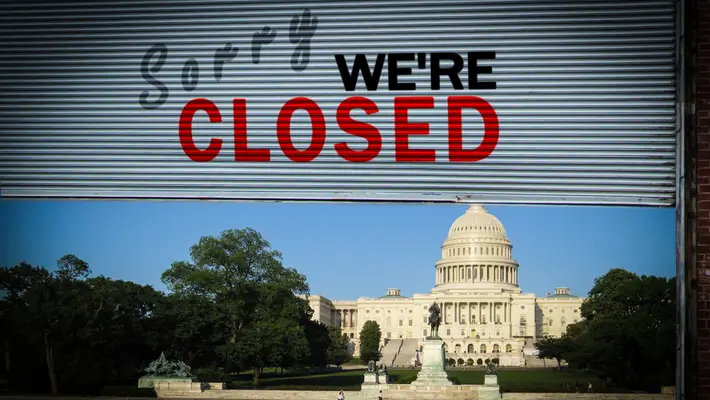
Veterans and their families often have critical questions and fears about how a government shutdown will affect the benefits and services they rely on for financial stability and health.
The good news is that due to advance appropriations and mandatory funding, the **vast majority of core VA services are protected**, at least in the short term. The VA estimates approximately **97% of its employees continue to work** during a shutdown.
Quick Facts: What Continues and What Changes
| Service Category | Status During a Shutdown | Potential Veteran Fear/Concern |
|---|---|---|
| Compensation & Pension Payments | CONTINUE (Funded by mandatory/advance appropriations). | FEAR: That their essential monthly income will stop, causing financial crisis. |
| VA Health Care | CONTINUE (VA Medical Centers, Clinics, and Vet Centers remain open). | FEAR: That scheduled appointments, medications, or life-saving care will be cancelled. |
| Education Benefits (GI Bill) | PAYMENTS CONTINUE (Processing and delivery). | FEAR: That their tuition or housing allowance (BAH) payments will be interrupted. |
| Regional VA Offices | CLOSED (No in-person services). | CONCERN: Loss of in-person support for questions, claims help, or administrative issues. |
What Veterans May Fear & Have Questions About
- Will My Disability/Pension Check Arrive?
- Answer: Yes. Compensation, Pension, and other VA benefits are funded with advance appropriations or are considered mandatory spending. Payments will continue.
- Will My Medical Appointments Be Canceled?
- Answer: No. All VA Medical Centers, Outpatient Clinics, and Vet Centers remain open, and all health care services continue as usual.
- Will My New Claim Stop Moving?
- Answer: Possibly slower. While existing claims processing generally **continue**, there are concerns about *slower timelines* and *backlogs* if manual review or certain specialized actions are needed.
Government Shutdown Veteran Resource Hub
Understand what continues, what slows, and the exact steps to protect your benefits, health care, and financial stability as a Veteran or military family member.
- VA Contingency Planning Official Site — The VA’s official plan for what stays open and what closes.
- VA General Information Hotline (1-800-MyVA411) — This primary number is expected to remain open 24/7.
- Veterans Crisis Line (Dial 988, Press 1) — **Always Open** for confidential help.
Key Takeaways: Your Shutdown Action List
- Core payments continue; verify bank posting windows before escalating, then confirm status inside your VA profile.
- Health facilities stay open; refill medications early, enable mail delivery, and use secure messaging for routine questions.
- GI Bill payments generally continue; coordinate certifications with your school and request temporary billing holds as needed.
- Claims move forward, but manual reviews slow; submit organized evidence once to avoid avoidable development letters.
- Attend C&P exams as scheduled; reschedule only through the vendor, and bring relevant private medical records.
- Use VA.gov for status checks, uploads, and direct deposit changes; avoid mail that stalls during staffing constraints.

Compensation, Pension, and Survivor Benefits
Core VA monetary benefits continue during a shutdown due to mandatory spending and advance appropriations. Deposits typically post on normal cycles, but adjustments, dependency changes, and retroactive awards can move slower as staffing shifts. Use online tools to verify payment status, update direct deposit details, and review award letters before contacting call centers with heavier queues.
- Monthly compensation, pension, Dependency and Indemnity Compensation, and most recurring benefits continue uninterrupted. If timing seems off, first check your bank’s posting windows, then review your VA profile for notices before escalating through phone support.
- Processing for new awards and dependency updates may extend beyond usual targets. Submitting complete evidence packages and clear relationship documentation reduces rework, minimizes follow-up development letters, and shortens the path to finalized adjustments once queues normalize.
- Direct deposit changes are safest through secure VA portals. Avoid mailing forms during a lapse because incoming mail indexing and manual data entry can back up, increasing risk of delays or transcription errors that lengthen resolution timelines.
- If a deposit appears late, confirm pending transactions and cutoff times with your bank. Then check your VA account notifications and historical payments before calling, which preserves phone lines for urgent issues and saves you unnecessary wait time.
VA Health Care, Pharmacies, and Crisis Support
VA Medical Centers, Community-Based Outpatient Clinics, and Vet Centers remain open. Clinical teams provide care, pharmacies fill medications, and urgent services continue. Administrative and scheduling functions can slow, especially for non-urgent procedures or referral coordination. Refill early, enable mail delivery, and use secure messaging for routine questions to reduce pressure on phone lines and front desks.
- Keep scheduled appointments unless contacted with a change. If you receive a reschedule notice, confirm the new time in your portal, request a reminder, and document transportation or caregiver adjustments to avoid missed visits and prevent cascading delays later.
- Refill prescriptions seven to ten days early when possible. Mail-order typically remains reliable, but plan for postal variability by tracking shipments online and maintaining a short buffer supply for critical, life-sustaining medications you cannot miss or delay.
- Community Care referrals may take longer to authorize or coordinate. Confirm eligibility, authorization numbers, and approved procedures in writing before traveling. Ask providers to upload visit notes promptly so follow-up approvals and pharmacy actions proceed without unnecessary repeat visits or duplicate requests.
- Immediate help remains available through the Veterans Crisis Line. Dial 988, then press 1 for confidential support. For emergency medical needs, use local emergency services and notify your VA team afterward so records and follow-up are aligned quickly.
Education Benefits: GI Bill, VR&E, and Work-Study
GI Bill tuition payments and Monthly Housing Allowance generally continue, supported by existing funding streams and automated processing. Delays arise when school certifications queue or require manual review. Veterans Readiness and Employment services persist but may experience slower approvals or reimbursements. Work-Study payments can lag if timesheets accumulate. Keep documentation organized and submit items early.
- Verify enrollment promptly with your School Certifying Official. Ask when the certification will transmit, how to confirm receipt, and whether campus billing teams can place temporary holds that prevent late fees when disbursements post slightly later than expected.
- Maintain a packet including class schedules, proof of attendance, degree plans, and prior payment history. This documentation speeds resolution of mismatches and reduces repeat requests if staffing fluctuations leave fewer analysts to reconcile data discrepancies quickly during a funding lapse.
- VR&E services continue, but vendor payments and approvals may require additional calendar days. Communicate early with counselors, provide quotes and receipts in a single upload, and ask for written status updates to coordinate purchases or training milestones without unnecessary pauses or repeated submissions.
- For Work-Study, submit timesheets early and track delivery confirmation. Keep a personal log of hours, duties, and supervisor sign-offs so any payment questions can be answered quickly with contemporaneous records rather than relying on back-and-forth clarifications that consume precious processing time.
Claims, C&P Exams, and Appeals
Claims intake and electronic uploads continue. Bottlenecks usually occur in tasks requiring manual review, medical opinions, or specialized appeals routing. Compensation and Pension exam scheduling may slow, particularly for complex conditions. Higher-Level Reviews and Board dockets can stack up. Submit comprehensive, organized evidence once to prevent avoidable development letters and keep your file moving efficiently.
- Use VA’s digital submission pathways for new claims, supplemental claims, and evidence uploads. Label files clearly, consolidate within logical bundles, and avoid duplicate attachments that create confusion, increase review time, and raise the likelihood of additional clarification requests from adjudicators.
- Attend C&P exams as scheduled. If a conflict exists, coordinate rescheduling only with the vendor to maintain traceability and avoid missed appointment flags. Bring relevant private medical records so examiners have complete information and do not need to request additional visits later.
- Expect longer cycles for Higher-Level Reviews and Board appeals. Provide targeted arguments, cite specific evidence, and avoid shotgun submissions. Focused issues shorten decision time by minimizing tangents, reducing the need for remands, and clarifying exactly what outcome you are challenging procedurally or substantively.
- Decision letters and award implementations can trail internal determinations. Monitor your portal for status changes, review historical payments, and save PDFs of letters. If an implementation lags materially, document dates and follow escalation paths after normal windows reasonably pass.
Regional VA Offices and Customer Support
Regional offices suspend in-person services during a funding lapse. Phone and chat support remain available but can experience extended hold times. Online portals offer the fastest path for status checks, document uploads, and direct deposit changes. Accredited Veterans Service Organizations may provide remote assistance, including virtual appointments and secure document submission support.
- Use VA.gov for claim status, secure messaging, pharmacy refills, and profile updates. Digital channels reduce call volume, preserve time, and create a documented activity trail you can reference later during appeals or audits if timing issues or questions arise.
- Expect longer phone waits at contact centers. Prepare call notes with claim numbers, dates, and specific questions so you can move quickly once connected. Ask for a case reference number and summarize action items before ending the call.
- Leverage accredited VSOs for guidance. Many support remote intake, evidence review, and form preparation. Verify accreditation, request encrypted email options, and keep copies of signed submissions for your records to streamline future follow-up inquiries and maintain continuity.
- If you need records, request digital copies where possible. Paperfulfillment can stall when mailrooms and scanning operations face staffing limits. Uploading clean, searchable PDFs improves review speed and cuts down on avoidable backlogs during constrained operations.
What Veterans May Fear & Ask
Shutdown headlines create understandable worry about lost income, canceled appointments, and stalled education or claims progress. Most core services continue, but timing can shift. Manage fear with verified status information, conservative planning buffers, and documentation. The following common questions summarize realistic expectations and the high-value steps that reduce disruption while agencies operate under constrained conditions.
- Will my disability or pension check arrive? Yes. Payments continue under mandatory funding and advance appropriations. Adjustments or new awards can lag, so plan cash flow with modest timing cushions and verify postings.
- Will my medical appointments be canceled? No. Facilities remain open and care continues. Some scheduling tasks take longer, so confirm appointment details in your portal and arrive with updated medication lists and referrals.
- Will my new claim stop moving? Progress continues, though manual reviews and medical opinions may extend timelines. Submit thorough evidence, respond to requests quickly, and track exam notices closely to avoid preventable delays.
- Will GI Bill housing or tuition stop? Payments generally continue. The biggest risk is administrative lag. Confirm enrollment certifications, coordinate with financial aid, and document conversations about holds to prevent late fees or dropped classes.
- Are burials and memorial benefits available? Yes. Interments proceed. Headstone and marker requests may take more time. Coordinate early with cemetery staff and confirm honors availability and logistics in writing to prevent last-minute complications.
Immediate Actions to Reduce Risk
Concentrate on actions that lower dependencies on slower channels. Build buffers into schedules, preload documents, and maintain verified contact paths. Use digital self-service wherever possible. For education and claims, treat every interaction as time-sensitive: complete submissions, quick responses, and clear confirmations prevent small paperwork issues from compounding into avoidable delays during constrained operations.
- Create a single, organized packet: DD214, IDs, award letters, direct deposit details, school certifications, class schedules, medical referral authorizations, and key correspondence. Keeping everything consolidated allows faster submissions and fewer missed items when portals or staff capacity are constrained.
- Refill prescriptions early and enable mail-order if eligible. Track shipments, maintain a modest buffer for critical medications, and contact your care team through secure messaging when timing looks tight rather than waiting for a final-day emergency refill.
- Monitor VA and GI Bill portals weekly. Respond quickly to evidence requests or certification issues, and save confirmation screens or emails. Proactive documentation reduces ambiguity and accelerates resolution when queues and staffing levels fluctuate across several connected systems.
- For education timing issues, ask about short-term tuition holds or payment plans. Provide award letters and certification confirmations. Propose dates aligned with expected disbursement windows so registrars can keep you enrolled while funds post.
- For claims and Community Care, track exam notices and authorizations closely. Confirm approvals in writing before traveling. Bring relevant records to appointments, and upload after-visit summaries promptly to keep follow-on actions moving efficiently.
Context: Why Most Services Continue
The VA’s funding structure protects core operations from immediate shutdown impacts. Advance appropriations fund medical care and many administrative functions into the fiscal year. Mandatory spending covers disability and pension payments. These mechanisms maintain continuity while reducing the likelihood of broad service stoppages. Administrative and specialized tasks can still slow when staffing reallocations occur.
- Advance appropriations authorize VA medical care to operate beyond the start of a fiscal year. This protects clinic access, prescriptions, and urgent procedures, limiting clinical disruption while other agencies adjust staffing and pause nonessential activities during a funding lapse period.
- Mandatory spending provides the legal basis for disability compensation and pension payments to continue. These entitlements do not depend on annual appropriations cycles, which safeguards monthly income for Veterans and survivors even when other government processes are constrained.
- Result: Core services continue, but administrative tasks tied to manual reviews, specialized authorizations, and appeals can slow. Plan buffers, submit complete documentation, and use digital status checks to offset predictable friction until normal operating tempo returns across affected units.
- VA home loans continue through private lenders with VA guarantees. Expect slower timelines for certain verifications and appraisals, but not wholesale cancellations. Document alternatives and maintain written confirmations to protect closing schedules under variable processing conditions.
The Bottom Line
Bottom line: core VA benefits and care continue, but some manual tasks slow during a shutdown. Protect yourself by using digital workflows, front loading evidence, and keeping small buffers in calendars and budgets.
Verify appointments and payments in portals first, then escalate with dates, names, and reference numbers. Refill early, track prescriptions, and keep one clean packet of records ready to upload.
For school or claims timing issues, document agreements in writing and confirm authorizations before traveling. Use accredited representatives when helpful, but maintain your own copies.
Monitor status weekly, respond quickly to requests, and avoid paper submissions. These habits reduce delays, preserve income and access to care, and keep your file moving until normal staffing and processing levels return.
FAQs: Government Shutdown and Veterans
Do VA disability and pension payments stop during a shutdown?
No. Disability, pension, and survivor benefits continue because they are funded by mandatory spending and advance appropriations. New awards or dependency updates can process slower, so plan modest timing buffers and monitor your VA account for status changes.
Are VA hospitals, clinics, and pharmacies open if funding lapses?
Yes. VA medical centers, outpatient clinics, and pharmacies remain open. Clinical care continues, but non-urgent scheduling and referrals may slow. Refill prescriptions early, enable mail-order, and use secure messaging for routine questions to reduce avoidable delays.
Will GI Bill tuition and Monthly Housing Allowance still be paid?
Generally yes. GI Bill tuition payments and Monthly Housing Allowance typically continue. The main risk is administrative delay. Verify enrollment promptly with your School Certifying Official, maintain documentation, and coordinate short-term campus holds if a payment posts later.
What happens to my new VA claim or appeal during a shutdown?
Claims intake and uploads continue. Manual reviews, medical opinions, and appeals may move slower. Submit complete, clearly labeled evidence once, track exam notices, and respond quickly to requests to prevent rework and minimize timeline extensions caused by staffing shifts.
Are C&P exams canceled or rescheduled automatically?
No. Exams generally proceed. If rescheduling is necessary, the vendor contacts you. Confirm new dates directly with the vendor, bring relevant records, and keep confirmations. Missed appointments can create delays that cascade across decisions and award implementations.
Can I still access Community Care during a shutdown?
Yes, but authorizations and coordination can take longer. Confirm eligibility, authorization numbers, and approved procedures in writing before traveling. Ask providers to upload visit notes promptly so follow-up approvals and prescriptions move without unnecessary repeat visits or delays.
Are national cemeteries open and burials conducted?
Yes. Interments proceed at national cemeteries. Scheduling and memorial items, such as headstones and markers, can take longer. Coordinate early with cemetery staff, confirm honors availability, and keep written confirmations to prevent last-minute changes or miscommunications.
Do regional VA offices offer in-person services during a lapse?
No. In-person services typically pause. Use VA.gov for status, messages, and updates. Expect longer phone waits. Accredited Veterans Service Organizations can provide remote assistance for forms, evidence review, and submissions while offices prioritize essential functions.
What should I do if my expected deposit is missing or late?
Check your bank’s posting windows and pending transactions first. Then review your VA account for notices or changes. If still unresolved, call with your claim information ready and request a case reference to track follow-up actions.
How can I reduce disruption to care and benefits during a shutdown?
Use online portals, submit complete documentation, and build modest timing buffers. Refill medications early, verify enrollments, and confirm Community Care authorizations in writing. Save confirmations and correspondence to accelerate troubleshooting if processing queues lengthen temporarily.
The VA Loan Network Editorial Team is comprised of dedicated mortgage specialists and financial writers committed to providing veterans and service members with accurate, up-to-date information on VA loan benefits, eligibility, and the home-buying process.