
POA for VA Loan Closing While Deployed (PCS Guide)
A VA loan can close while you’re deployed if your Power of Attorney (POA) is precise, properly executed, and accepted by your lender and title company. Most lenders require a specific, transaction-focused POA, written consent to the loan, and a same-day “alive & well” verification. Get the wording right, coordinate notarization early, and synchronize with your PCS occupancy plan.
Quick Facts
- Most lenders require a specific (limited) POA naming the property, price, and loan terms.
- “Alive & well” verification is required the day of closing by phone or written confirmation.
- Overseas signers can use base legal offices or U.S. consulates for notarization and authentication.
- General or “military POA” may work only in limited scenarios—confirm acceptance early.
- Spouse (or in limited cases, dependent) occupancy can bridge VA’s primary-residence requirement.
FAQ’s
Do I need a special kind of POA for a VA loan?
Yes. Most lenders require a specific, deal-focused POA that clearly authorizes the purchase and the VA loan. It should identify the property, sales price, and loan amount, and include the borrower’s written consent.
How is “alive & well” verified on closing day?
Your lender must confirm you’re alive and not missing in action on the day of signing. This is typically a phone call with you or a brief written statement from you or your command, recorded in the file.
Can I notarize overseas?
Usually yes. Base legal assistance offices commonly notarize at no cost. U.S. embassies and consulates also provide notarial services. Build extra time for scheduling, security procedures, and document shipping or scanning.
Key Takeaways
- Use a specific, transaction-limited POA that names property, price, and loan purpose.
- Coordinate “alive and well” verification with your lender for the exact closing day.
- Overseas notarization is available via base legal offices or U.S. consulates.
- Spouse occupancy can satisfy VA rules while you’re deployed; certify your move-in.
- Plan early; many lenders require their own POA template and exact phrasing.
- Keep copies of POA, consent, and certifications for post-closing quality control.

What POA does VA require when you’re deployed?
VA allows closing with a valid POA if the borrower provides specific written consent and the lender verifies conditions like “alive & well.” Lenders generally require a transaction-specific POA and must document compliance in the file under VA rules and investor standards. See regulatory authority for occupancy and loan execution scope. 38 CFR Part 36.
- “Specific consent” means you’ve authorized this loan’s terms in writing—not just a generic power—so investors can confirm you knowingly agreed despite being absent at closing.
- Lenders treat POA closings as higher scrutiny items and may impose overlays on wording, notarization, and delivery timing to keep investor certification clean and defensible.
- Your attorney-in-fact signs documents; you remain the borrower and must still meet VA occupancy, income, credit, and eligibility requirements consistent with program rules and timelines.
- Tell your lender you’ll be absent at closing; request their required POA form and any preferred wording so the first draft meets policy and investor needs.
- Confirm how your “specific consent” will be captured (embedded in POA or separate consent letter) and how it should reference price, property, and loan amount.
- Schedule notarization early and plan for secure delivery to title; many delays happen because documents arrive too late for final review or recording.
POA closings succeed when the document mirrors lender and investor expectations, and when written consent, notarization, and day-of-closing verification are all in the file. 38 CFR Part 36.
What must a Specific (Limited) POA include for VA?
It should clearly authorize the purchase and loan, identify the property, and state price and loan amount. Lenders also need your written consent to the transaction and may require exact phrases, signature blocks, and acknowledgment language that align with their investor. Guidance on processing POA transactions appears in VA lender materials. VA Lenders Handbook, Ch. 5.
- Include the full property address and legal description if possible, making clear that your agent may execute all loan, title, and closing documents necessary to complete the transaction.
- Reference sales price and loan amount (or a “not to exceed” amount) so the lender can tie your consent to specific financial terms in the closing package.
- Match names and IDs precisely with the loan file; even small variances (suffixes, rank abbreviations) can trigger redisclosures, redraws, or last-minute funding conditions.
- Use the lender’s template when offered; it bakes in investor language and reduces legal risk, rework, and review time across title and post-closing quality control.
- Have base legal review the document for state-law compliance at the property location; title companies must accept the form for recording and insurability.
- Provide the draft to lender and title a week in advance; early comment cycles prevent day-of-closing surprises and last-minute re-signs under pressure.
A precise, lender-vetted POA shortens reviews and minimizes risk that investors or auditors will question borrower consent after funding. Handbook, Ch. 5.
What is the “alive & well” requirement—and how do you satisfy it?
Lenders must verify you’re alive and not missing in action at closing when a POA is used. This verification is typically documented by a same-day call or written statement from you or your command and filed with closing documents under VA processing rules. VA Lenders Handbook, Ch. 5.
- Verification happens on the day of signing; plan for time zones, comms windows, and command availability so funding isn’t delayed for lack of proof.
- Document the call or letter in a way your lender accepts—names, titles, date/time, and contact method—to withstand investor or audit review months later.
- If you’ll be unreachable, coordinate a pre-approved written statement with dates that satisfy policy and confirm your status and continued intent to proceed.
- Place a calendar hold for the “alive & well” call with contact numbers and backups; include your command POC if the unit must confirm status.
- Ask the lender which exact phrases they need captured; small wording gaps can force last-minute addenda even when everyone agrees on facts.
- Store the verification with the POA and consent letter in a single packet; unified storage speeds re-underwriting and post-closing audits.
Funding waits for this check in POA files; pre-planning around time zones is the simplest way to keep your PCS closing on schedule. Handbook, Ch. 5.
Can a General or “Military” POA work for a VA purchase?
Sometimes—but acceptance is lender-specific and often restricted. Many lenders require a specific POA for real-estate transactions even if you previously signed the contract or application. Military OneSource provides general POA guidance; always confirm lender acceptance and state-law and title-company requirements in advance. Military OneSource: POA.
- General POAs may be acceptable only if you personally executed key loan documents earlier; even then, lenders and title often prefer a transaction-specific instrument.
- “Military POA” formats are broadly valid but still subject to lender, investor, and state-law acceptance when used for real-estate conveyance and encumbrance.
- Expect overlays that narrow what a general POA can authorize; a specific POA avoids ambiguity and downstream re-documenting just before funding.
- Send proposed language to your lender and title early; their attorneys can advise whether a general POA will pass investor and recording standards.
- When in doubt, execute a specific POA that names the property and loan; it’s the least-risk path for timely, clean funding.
- Keep both a general and specific POA if permissible; the general may help outside the closing, while the specific satisfies the loan.
The safer approach is almost always a specific, deal-named POA accepted by both lender and title. Military OneSource.
How do you execute and notarize a POA from overseas?
Use base legal assistance or U.S. consulates for notarization and authentications. Consular officers can perform notarial services abroad; base legal offices routinely handle POAs for servicemembers. Build lead time for appointments and document shipping so title reviews the original before closing. U.S. Consular Notarial Services.
- Many installations offer walk-in or appointment-based notarization; bring government ID, the lender’s exact POA template, and any required witnesses per state law where the property sits.
- Consulates may require passports, fees, and pre-screened PDFs; verify local procedures and security restrictions so your visit isn’t turned away at entry.
- Ship signed originals with tracked delivery to title; scans help for preliminary review, but recordable instruments usually require wet-ink originals.
- Verify whether the recording jurisdiction requires apostille or authentication; coordinate with title so you meet county recorder standards.
- Schedule notarization far ahead of contract acceptance if deployment tempo is high; the last week is the worst time to chase consular appointments.
- Keep copies of everything; if packages are delayed, your file can still clear underwriting with scanned versions while originals are en route.
Overseas execution works smoothly when you follow consular/base procedures and let title pre-approve form, signatures, and shipping timelines. travel.state.gov.
Are electronic signatures acceptable for the POA?
Often no—expect wet-ink originals for the POA itself. While many loan documents allow e-signatures, investors and recorders frequently require the POA to be ink-signed and notarized to ensure recordability and enforceability under VA-related regulations and state law. 38 CFR Part 36.
- Remote Online Notarization acceptance varies by state and investor; even when allowed, some title insurers still prefer traditional notarization for powers of attorney.
- Ink-signed POAs reduce the risk of rejection by the recorder’s office, preventing last-minute funding delays over perceived defects or authenticity concerns.
- Check with title about witness requirements; some states demand subscribing witnesses in addition to the notary for real-estate powers.
- Confirm RON acceptance with lender, title, and county recorder before scheduling; do not assume “e-notary” equals “recordable POA.”
- Plan courier timelines so the original is in the closer’s hands before the signing date; avoid same-day overnight gambles during PCS season.
- Keep a second original if permitted; it hedges against damage or loss in transit to the recorder or investor file custodian.
Ink-signed, properly notarized POAs remain the safest standard for VA purchase closings across most jurisdictions. 38 CFR Part 36.
How does deployment affect VA occupancy—and can a spouse occupy?
Spouse occupancy can satisfy VA’s interim requirement while you certify a specific personal move-in date. You’ll sign occupancy certifications, and your spouse (or in limited cases, a dependent with proper authority) can reside in the home until you return. See VA forms and occupancy chapter for mechanics. VA Form 26-1820; Handbook, Ch. 3.
- Occupancy certifications use precise, event-based dates; vague “ASAP” language invites conditions and can delay funding or post-closing quality-control sign-off.
- Dependent occupancy requires attorney-in-fact or guardian mechanics; execute lender-approved language to avoid redraws and re-signs close to funding.
- Maintain principal-residence indicators—mailing, IDs, utilities—in alignment with the property; consistency is a core underwriting test for intent.
- State a credible personal move-in date tied to PCS milestones; update certifications immediately if orders shift or repairs extend completion.
- Coordinate signatures and any POA authority for the spouse or guardian days in advance; final-hour fixes are a common cause of delays.
- Retain copies of occupancy forms and utility setups; clear records support refinances and investor reviews later.
Spouse occupancy plus precise certifications keep your purchase compliant while deployments or PCS timing prevent immediate presence. VA Form 26-1820.
Step-by-step: Close with POA while deployed (PCS timeline)
Pre-clear forms, notarize early, and lock down day-of verifications. The sequence below eliminates common POA pitfalls and keeps your closing aligned with appraisal, NOV, and PCS occupancy dates. Military legal resources offer POA guidance and checklists for servicemembers. Military OneSource: POA.
- POAs fail most often on wording, notarization, or timing—solved by using the lender’s template, validating state-law elements, and shipping originals early to title for review.
- “Alive & well” failures come from time-zone assumptions; schedule the call or letter with backups so status is documented before funding authorization.
- Occupancy issues arise from vague dates; certify an event-based date and update promptly if orders or repairs change, keeping the narrative consistent.
- Request the lender’s POA template and consent language; send to base legal or a U.S. consulate for notarization with your government ID and any required witnesses.
- Ship the ink-signed original to title well ahead of closing; provide a scan for early review and keep a spare original if allowed in your jurisdiction.
- Calendar the “alive & well” verification with plan-B contacts; confirm the exact wording and who will document the call or written statement for the file.
When the POA, consent, verification, and occupancy pieces are all pre-wired, the rest of the VA process runs like any other PCS purchase. Military OneSource.
Specific vs. General vs. Military POA—what’s the practical difference?
Specific POAs are the low-risk standard for VA purchases. General or “military” POAs may be acceptable in limited situations, but investors, title insurers, and recorders often insist on transaction-specific authority for real-estate conveyance and encumbrance. Consular/base notarization guidance explains execution options abroad. U.S. Consular Notarial Services.
| POA Type | Best Use | Strengths | Watch-Outs |
|---|---|---|---|
| Specific (Limited) | One VA purchase/loan | Clear consent; investor-friendly; faster title/recording | Must be updated if price/terms change materially |
| General | Broad authority outside closing | Flexible for daily matters | Often rejected for recording; lender overlays limit use |
| Military POA | Active-duty needs while away | Widely recognized on base | Still must pass lender/title/investor and state-law standards |
- Title insurers and recorders care about form and state law; an otherwise valid POA may still be refused if it lacks state-required elements or witnessing.
- If terms change late (price, loan amount), re-execute or amend the POA or produce a new consent letter matching final figures in the closing package.
- Confirm recording county’s rules; a few jurisdictions require additional acknowledgments or formatting to accept POAs tied to deeds of trust.
- Ask title for a pre-clearance on your POA text with the recording office; a five-minute check saves last-minute funding stops.
- Keep lender, title, and your agent synced on any contract changes affecting POA terms; update consent text before documents print.
- Bring a backup signer (if available) for non-recorded documents to reduce strain on the POA instrument during closing.
Using a specific, recorder-ready POA avoids most friction and keeps your closing predictable despite deployment. travel.state.gov.
Frequently Asked Questions
Will my lender accept a general or “military” POA?
Sometimes, but many lenders and title companies insist on a transaction-specific POA naming the property and loan. Send drafts early for review so you can switch to a specific POA if required.
Do I have to be on the phone the exact moment of signing?
Not necessarily. The “alive & well” verification must be recorded the day of closing, but it can be done earlier that day or via a pre-arranged written statement if communication is limited.
Can my spouse sign everything as attorney-in-fact?
Yes, if your POA authorizes it. Lenders may still require your specific written consent to loan terms, and you must satisfy VA occupancy via spouse or a documented personal move-in date.
Is Remote Online Notarization okay for the POA?
It depends on state law, investor, and title-insurer acceptance. Even when RON is legal, many closings still require wet-ink POA originals to ensure recording without delays.
What if the contract price changes after my POA is signed?
Amend the POA or provide an updated consent letter referencing the final price and loan amount. Get lender and title approval before documents print to avoid a last-minute redraw.
How do I prove I’m “alive & well” downrange?
Coordinate a same-day phone call or provide a brief written certification from you or your command. Your lender will tell you the exact wording they need for investor compliance.
Can I hold title in a trust when using a POA?
Trust vesting rules vary by lender, investor, and title insurer. Some allow certain revocable-trust arrangements, others don’t. Confirm early—POA plus trust can add extra approvals and timing risks.
What happens if my POA arrives late to title?
Closings can slip. Ship originals with tracking a week ahead; provide a scan for preliminary review and keep a spare original when your jurisdiction allows duplicates.
Do I still need to sign occupancy forms?
Yes. POA authorizes signing, but you remain responsible for certifying occupancy intent. Provide specific, event-based dates tied to PCS orders and update immediately if circumstances change.
What’s the fastest way to avoid POA delays?
Use the lender’s POA template, pre-clear with title, notarize early at base legal or a consulate, courier originals, and schedule the “alive & well” verification with backup contacts.

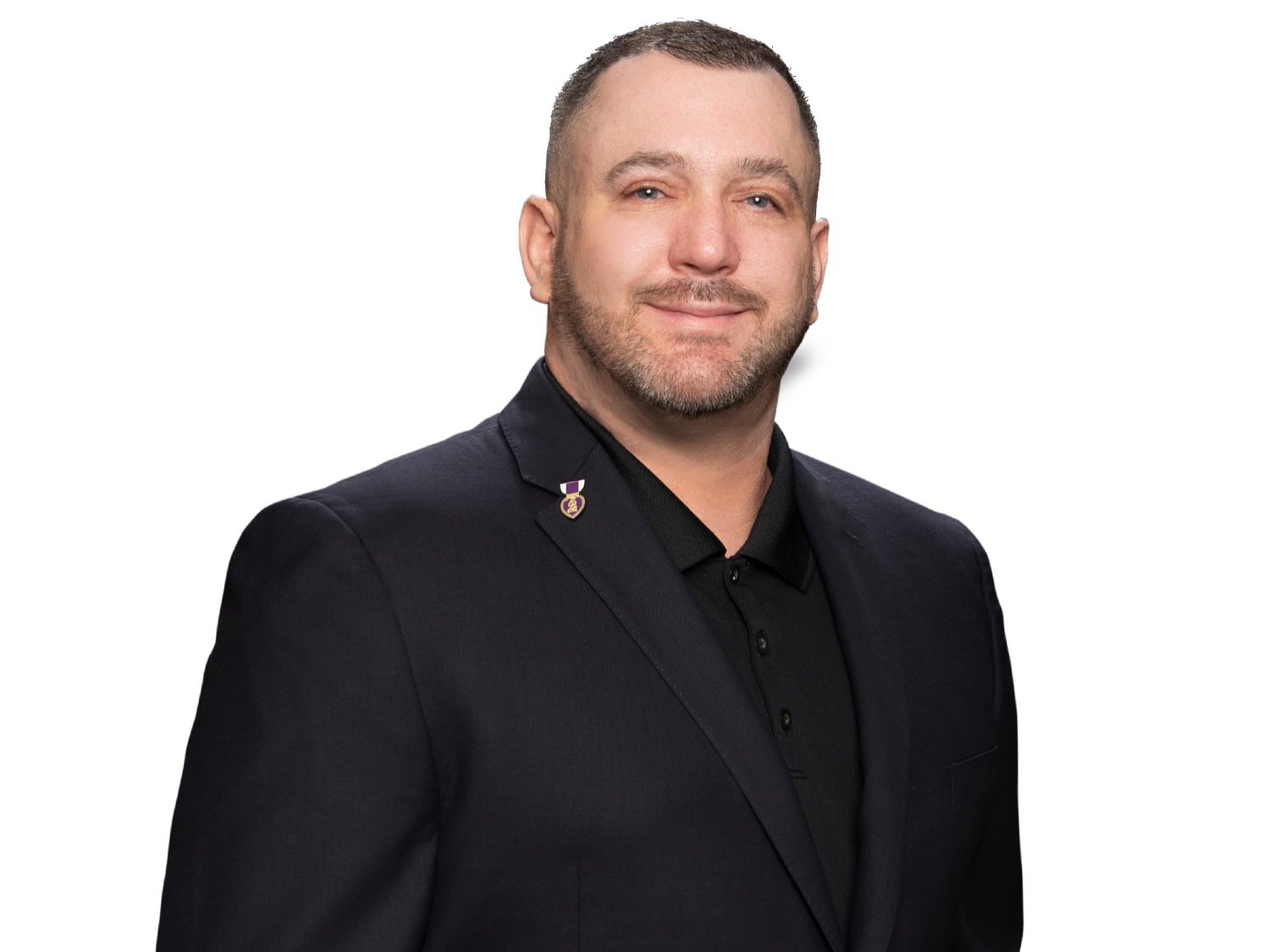
Levi Rodgers is the Founder of VA Loan Network, a leading resource for Veteran homebuyer education. A Retired Green Beret and Broker-Owner of LRG Realty in San Antonio, Levi leverages his military discipline and real-world real estate expertise to provide Veterans with expert loan advice, guidance, and trusted financial leadership.