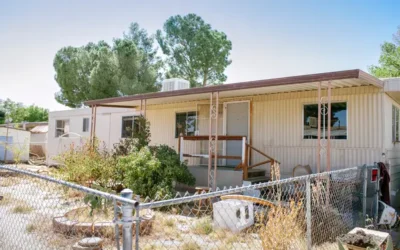


VA Renovation Loans Finance Purchase and Repairs
VA home loan overview
VA Lender’s Handbook
VA closing costs basics
VA appraisal and MPR guidance
A VA renovation loan lets you buy a home and fund repairs in one mortgage, with one monthly payment. The loan is underwritten to the as completed value, meaning the appraiser considers the finished condition after approved work is done. This can be a strong fit when the home is livable but needs safety or system upgrades to meet VA standards.
How a VA renovation loan works
- As completed value: The appraisal supports the projected value after repairs, which is why the repair scope and contractor bids must be detailed and realistic.
- One closing setup: You close once, then repair funds are held in escrow and released in stages after work is verified.
- Zero down can be possible: With full entitlement and strong qualification, many borrowers can finance the purchase plus eligible repairs without a down payment.
- Budget still matters: Even if financing works, keep reserves for surprises, because change orders and delays can create stress during the build phase.
Repairs that usually fit VA renovation rules
- Safety and habitability: Roof issues, electrical problems, plumbing repairs, water intrusion, and other defects tied to safe, sound, sanitary standards are the core focus.
- Systems and efficiency: HVAC replacement, water heater updates, windows and doors, and insulation style upgrades often qualify when they improve function and durability.
- Health related fixes: Lead based paint stabilization, mold remediation, and other health hazards can be eligible when handled by qualified contractors.
- Not a luxury remodel: Pure luxury items and major structural redesigns are commonly the hardest to approve, so keep scope aligned with livability and value support.
Timeline, escrow draws, and contractor rules
- Completion window is time bound: Many renovation structures require repairs to be completed on a defined schedule, often around 120 days, unless an approved extension applies.
- Licensed contractor required: Renovation work is typically completed by licensed, insured contractors approved for the project, not DIY, because escrow draws require third party verification.
- Detailed bid package: Underwriting usually needs itemized bids, a fixed scope, and a clear draw schedule tied to milestones.
- Change orders are controlled: Large scope changes can delay draws and appraisal sign off, so keep the plan tight before closing.
VA renovation loan vs FHA 203k, quick comparison
| Feature | VA renovation loan | FHA 203k loan |
|---|---|---|
| Down payment | Often 0% with full entitlement | Typically 3.5% minimum |
| Monthly mortgage insurance | None | Required |
| Repair scope | Commonly focused on livability and MPR items | Can allow broader rehab scopes |
| Repair cap | Often lender limited | Can support larger projects |
- Use VA when it fits: If the repairs are within a reasonable scope and the home will meet VA standards after work, VA often wins on monthly cost.
- Use 203k for bigger rehab: If the project is heavily structural or the repair budget is large, 203k can be the more practical rehab structure.
FAQs
What is a VA renovation loan?
It is a VA loan structure that finances the home purchase and approved repairs together, using the as completed value. You close once, repair funds go into escrow, and the contractor is paid in draws as work is verified.
Can I do the renovation work myself with a VA loan?
Does a VA renovation loan allow luxury upgrades?

A VA renovation loan, sometimes called a VA rehab loan, lets eligible Veterans and Military borrowers finance a home purchase plus eligible repairs in one VA mortgage with one monthly payment. VA describes this as an alteration and repair loan, where improvements can be included in value and completed after closing, with proceeds paid to the contractor through a controlled draw process and written borrower approval for each disbursement, as outlined in the VA Home Loan Guaranty Buyer’s Guide section on alteration and repair loans.
What Is a VA Renovation Loan?
A VA renovation loan is a VA guaranteed mortgage structured to cover both acquisition costs and approved improvements. The defining feature is that the appraisal considers the home’s projected value after the work is completed, not just its current condition, and the lender controls how renovation funds are released. It is still a primary residence loan, and it still benefits from VA’s no PMI structure, as explained on the VA purchase loan benefits page describing no down payment and no monthly mortgage insurance.
- One Loan, One Payment: You finance purchase plus repairs together, which can avoid a second set of closing costs and separate loan terms.
- Escrowed Renovation Funds: Repair funds are typically held and released in stages after progress checks, keeping cost control tighter than cash out methods.
- Value Driven Loan Amount: Your maximum financing is limited by what the property can support when completed, not by how much you wish to spend.
How Does the As Completed Value Rule Actually Limit the Loan?
This is the rule that surprises most borrowers. You do not automatically get financed for every repair you want. Instead, the loan amount is capped by the lesser of the total acquisition cost or the appraised as completed value. Bankrate summarizes this underwriting reality and notes the renovation must be completed on a strict timeline, with common lender caps on the renovation budget, in its VA renovation loan guide covering the lesser of acquisition cost or as completed value rule.
As Completed Value Example Using Round Numbers
| Line Item | Amount | Why It Matters |
|---|---|---|
| Contract Price | $250,000 | This is the base acquisition cost that starts the loan amount math. |
| Verified Repair Budget | $40,000 | This must be supported by itemized bids and approved scope, not a rough estimate. |
| Total Acquisition Cost | $290,000 | This is the combined purchase plus repairs amount the borrower wants financed. |
| Appraised As Completed Value | $280,000 | If this is lower than acquisition cost, it becomes the binding ceiling. |
| Maximum Financeable Amount | $280,000 | The borrower must cover the gap, reduce scope, or renegotiate price to close. |
- Get itemized contractor bids first, because the appraiser cannot value a vague scope of work or a wish list.
- Expect the appraiser to value the finished property like the market would, which means some repairs protect value rather than increase it.
- If value comes in low, the clean options are to reduce repairs, reduce price, or bring funds to closing to cover the gap.
What Repairs Can You Finance With a VA Renovation Loan?
VA oriented renovation financing is meant to improve safety, structural soundness, sanitation, and basic livability, not to fund luxury upgrades. VA’s Buyer’s Guide gives clear examples of common repair categories that fit the intent, including roof, foundation, floors, plumbing, electrical, and HVAC items. Many lenders further describe the eligible scope as improvements tied to safety, accessibility, and functional use, and they exclude purely cosmetic projects.
Common Eligible Repair Categories
- Major Systems and Safety Repairs: HVAC replacement, water heater repair, plumbing leaks, electrical hazards, and other conditions that threaten safe occupancy.
- Envelope and Weather Protection: Roof and gutter replacement, window or door repairs, and measures that prevent water intrusion and moisture damage.
- Health and Hazard Remediation: Mold treatment and lead paint remediation when required to eliminate recognized safety risks in the home.
Projects That Commonly Get Rejected by Lenders
- Luxury or Lifestyle Add Ons: Swimming pools, outdoor kitchens, and upgrades that are not tied to safety, accessibility, or habitability.
- Major Reconfiguration Work: Large additions and extensive rebuild scope that creates underwriting and inspection complexity beyond typical renovation programs.
- Non Permanent Items: Work that does not become a permanent part of the property or cannot be verified through normal inspections and final completion reporting.
What Are the Most Common 2026 Limits, Timelines, and Lender Overlays?
There is no single universal renovation limit published on the consumer side for every lender, because many constraints are lender overlays layered on top of VA eligibility and appraisal rules. In practice, many lenders cap renovation budgets, require non structural scope, and enforce tight completion windows. Bankrate notes that most lenders cap the maximum rehab amount at about $50,000 and require the work to be finished within about 120 days after closing. Those two constraints shape the entire strategy for how you choose the house and the repair plan.
Typical Program Constraints You Should Plan Around
| Constraint | Typical Planning Baseline | Why Underwriters Care |
|---|---|---|
| Renovation Budget Cap | Often around $50,000, lender specific | Caps reduce project risk, cost overrun exposure, and complexity in draws and inspections. |
| Completion Timeline | Often around 120 days after closing | Short timelines reduce the chance of stalled projects and collateral risk during construction. |
| Scope Focus | Safety, accessibility, and functional repairs | VA style collateral standards emphasize livability and marketability, not elective upgrades. |
- Pick a house where the needed repairs fit inside common lender caps and timelines, not a project that requires months of engineering and permits.
- Assume a conservative buffer for surprises, because older homes often reveal additional issues once work begins.
- Choose a lender who has closed this product before, because inexperienced teams lose time on approvals, inspections, and draw controls.
Do You Need a Licensed Contractor, and Can You Do Any DIY Work?
Most VA renovation programs require licensed and insured contractors, and many do not allow self help labor for the financed portion of the work. Older VA guidance and some lender processes reference contractor registration and a VA builder identification number, but VA has eliminated the builder ID requirement for certain new and proposed construction VA guaranteed loans under VBA Circular 26 25 1 eliminating VA builder IDs for certain guaranteed loans. In real underwriting, you should expect the lender to set the contractor eligibility rules and documentation gates, so confirm them before you write the offer.
Contractor Requirements That Usually Decide Whether the Deal Survives
- Licensing and Insurance: Expect proof of license and insurance that matches the scope of work, not a generic certificate that does not cover the job type.
- Itemized Bid Detail: The bid must specify materials and labor clearly enough for appraisal review, underwriting approval, and inspection sign offs.
- Draw and Lien Discipline: Contractors must accept staged payments and provide lien waivers, because the lender’s job is protecting first lien priority.
How the Draw Process Works, From Closing to Final Inspection
Operationally, a VA renovation loan behaves like a controlled renovation escrow. After closing, the lender releases funds in stages as work is completed and verified. The goal is preventing front loaded payments and reducing the chance that a stalled project leaves the home in an uninhabitable condition. Your job is to maintain tight communication among the contractor, the lender, and the inspector so inspections and draws do not slip.
Renovation Funding Flow
| Stage | What Happens | What You Must Provide |
|---|---|---|
| Pre Close | Scope is approved and appraiser values the completed home | Signed contractor bid, scope list, and any required permit plan notes |
| After Closing | Work begins and the lender funds initial draw after verification | Contractor schedule, start confirmation, and any initial inspection sign off |
| Mid Project | Interim inspections support additional draws | Progress documentation and lien waivers tied to work completed |
| Final | Final inspection confirms completion and property acceptability | Final sign offs, final lien waivers, and any required local completion documents |
- Schedule inspections in advance, because inspection delays are the most common reason projects miss the completion window.
- Do not change scope casually, because unapproved change orders can force appraisal updates and underwriting resets.
- Keep receipts, permits, and contractor change documentation organized, because final review depends on clean paper trails.
VA Renovation Loan vs FHA 203(k), When Should You Switch Options?
If your project is too large or too structural for the VA renovation lender you are using, FHA 203(k) is the most common alternative. HUD describes both the Limited and Standard 203(k) program, including that the Limited version allows financing repairs up to $75,000 and that loan proceeds for rehabilitation are placed in escrow and released as work is completed, on the HUD overview of the FHA 203(k) rehabilitation mortgage program. The tradeoff is FHA insurance costs and down payment requirements, which change the long term payment picture.
VA Renovation vs FHA 203(k) Comparison
| Feature | VA Renovation Loan | FHA 203(k) |
|---|---|---|
| Down Payment | Often zero down with full entitlement, value support required | Typically 3.5 percent minimum, borrower dependent |
| Monthly Mortgage Insurance | None, VA does not charge PMI | Mortgage insurance premiums required |
| Repair Budget Flexibility | Often capped by lender overlay and completion window | Limited 203(k) allows up to $75,000, Standard can support larger projects |
| Structural Work | Often restricted by lender overlays | Standard 203(k) can allow structural repairs |
| Best Use Case | Livability repairs with a tight schedule | Bigger rehabs where you need more budget or structural capability |
- Stay VA: When the repairs are livability driven, fit common caps, and can be completed quickly with a contractor who can handle draw inspections.
- Switch to 203(k): When the project needs a larger budget, structural scope, or a longer runway than most VA renovation lenders will tolerate.
- Do Not Guess: Get lender eligibility confirmation before contract, because switching loan types late can break timelines and seller patience.
What Causes VA Renovation Loans to Get Denied or Blow Up Late?
Most failures are predictable. They happen when appraisal value cannot support the combined cost, when the contractor documentation is weak, or when the scope drifts outside the lender’s allowable work list. The fastest way to avoid a late collapse is choosing a realistic house and writing the scope like an underwriter will read it, not like a homeowner would dream it.
- Value Gap: Acquisition cost plus repairs exceeds the as completed value, and the borrower cannot cover the difference or reduce scope.
- Contractor Mismatch: Contractor cannot meet licensing, insurance, bid detail, or staged draw requirements, causing the lender to suspend the file.
- Scope Creep: Change orders push the project into disallowed work or blow past the completion window, triggering new approvals and delays.
- Pre screen the house with a contractor walk through and a lender conversation before you write an offer on a heavy fixer upper.
- Use a detailed bid with materials and line items, because vague bids are the fastest way to stall appraisal and underwriting.
- Build a schedule backward from the completion window and include inspection days, because paperwork delays are as real as construction delays.
The Bottom Line
A VA renovation loan can be a high leverage way to buy a home that needs work without taking on a second loan or paying monthly mortgage insurance.
The key constraints are not the idea, they are execution: the as completed value must support the combined cost, the repairs must fit lender overlays focused on livability and safety, and the timeline is usually tight. If your project is larger or structural, FHA 203(k) may fit better.
If your project is smaller and you can run disciplined contractor management, VA renovation financing can turn a limited housing inventory into a real opportunity.
References Used
- VA Home Loan Guaranty Buyer’s Guide, Alteration and Repair Loan Overview
- VA Purchase Loan Benefits, No PMI, Primary Residence Requirement
- Bankrate, VA Renovation Loan Rules, Timeline, and Typical Lender Caps
- VBA Circular 26 25 1, Builder Identification Number Policy Update
- HUD, FHA 203(k) Rehabilitation Mortgage Insurance Program Overview
Frequently Asked Questions
Is a VA renovation loan a separate program from a normal VA purchase loan?
It is usually structured as a VA loan designated for alteration and repair, meaning the purchase and approved repairs are financed together. The core difference is added scope approval, draw controls, and an appraisal based on the completed property.
Do VA renovation loans allow zero down?
Often yes if you have full entitlement and the as completed value supports the total acquisition cost. If the combined purchase and repair cost exceeds the supported value, you may need to bring funds to closing or reduce scope.
How is the loan amount determined on a VA renovation loan?
Most lenders cap financing at the lesser of the total acquisition cost or the appraised as completed value. That means the market supported completed value can limit your loan even if your contractor estimate is higher than the appraisal supports.
What kinds of repairs are usually allowed?
Repairs tied to safety, structural soundness, sanitation, and functional livability are the best fit. Think roof, plumbing, electrical, HVAC, flooring, and hazard remediation. Purely cosmetic upgrades and luxury additions are commonly excluded by lender overlays.
Can I add a room or do major structural changes?
Often not with many VA renovation lender overlays. Large additions and major structural reconfiguration commonly exceed allowable scope or timelines. If your project is structural or large scale, FHA 203(k) Standard is often the more realistic renovation mortgage path.
Can I do the work myself to save money?
Many renovation lenders do not allow self help labor for financed repairs because it complicates inspection, draw control, and lien protection. Plan on using a licensed and insured contractor who can operate inside a staged payment and inspection process.
How long do you have to complete the renovations?
Many VA renovation lenders require completion within a tight window, often about 120 days after closing. The practical risk is not the number, it is inspection scheduling and permit timelines, so you should build a schedule that includes paperwork delays.
How are contractors paid on a VA renovation loan?
Funds are typically held in an escrow style account and released in draws after progress checks. The contractor submits draw requests, inspections confirm completion stages, and lenders often require lien waivers. This protects the borrower and the lender from incomplete work.
What is the biggest reason VA renovation loans fail to close?
The biggest failure is a value gap, where the appraised as completed value cannot support the purchase price plus repairs. Other common issues include weak contractor documentation, scope creep into disallowed work, and missed inspection or completion timelines.
When should a Veteran consider FHA 203(k) instead?
Consider FHA 203(k) when the repair budget needs to be larger, the project includes structural work, or you need a longer completion runway than most VA renovation lenders allow. The tradeoff is down payment and FHA mortgage insurance costs.