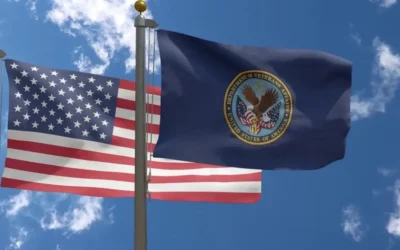
When funding is restored, The VA returns to full staffing and normal operations. Essential benefits typically continue during a lapse; the biggest changes are the rapid restart of paused hotlines, outreach, and administrative processing. After Sunday’s 60–40 Senate vote to advance a funding bill, leaders said they’ll reconvene at 11 a.m. Monday and aim to move it quickly, then send it to the House.
Quick Facts
- Core benefits (compensation, pension, education, housing) typically continue during a lapse; processing speeds up once non‑excepted staff return.
- VA regional offices and paused call centers reopen, including GI Bill support; in‑person intake and document corrections resume.
- National cemetery interments continue; headstone placement, grounds maintenance, and pre‑need processing resume after funding returns.
- Senate advanced a funding measure 60–40; adjourned until 11 a.m. Monday to seek final passage before sending it to the House.
- Transportation officials warned holiday air travel faces systemwide cuts; USDA told states to reverse full SNAP issuances after a court stay.
Mini‑FAQ
Do disability compensation or GI Bill payments restart?
These payments typically continued during the lapse. What restarts are paused support functions—like some hotlines and back‑office tasks—so claim adjustments, certifications, and appeal processing timelines normalize as staff return.
Will VA call centers and regional offices reopen?
Yes. Offices and hotlines that paused reopen with full staffing. Expect heavy call volume the first week; combine online status checks with calls or appointments to move complex issues quickly.
What about cemeteries and headstones?
Interments generally continued. After funding resumes, national cemeteries restart headstone installations, routine grounds care, and pre‑need application processing, working through any backlog in order of receipt.
Key Takeaways
- After funding returns, The VA restores full staffing and normal processing speed.
- Core payments usually continue; backlogs clear as non‑excepted staff rejoin.
- Paused hotlines, TAP, VR&E outreach, and regional offices reopen quickly.
- National cemeteries resume headstones, grounds care, and pre‑need processing.
- Senate advanced a funding bill; House action and procedures still remain.
- Military pay is made whole; routine payroll cycles resume promptly afterward.

Do VA benefits and services fully resume when a government shutdown ends?
Yes—operations return to full capacity as appropriations resume. Most essential VA functions continue through a lapse via advance appropriations and excepted staff. When funding is restored, suspended hotlines, outreach, and administrative processing restart and normal throughput returns. Official VA materials outline continuity during lapses and restoration afterward. VA Contingency Planning; VA press room update.
- Advance appropriations keep VA medical care and key benefits funded, limiting direct harm to Veterans; post‑lapse, returning staff eliminate temporary bottlenecks in claims intake, education adjustments, and administrative tasks that slowed under reduced staffing.
- Appeals, certifications, and complex casework are triaged to restore service‑level targets; oldest‑pending and hardship‑flagged cases are prioritized to minimize downstream consequences for housing, education, or health coverage stability.
- Reopened in‑person channels at regional offices accelerate document corrections and identity verification, letting Veterans resolve issues that are cumbersome to fix through portals or mail during a staffing‑limited period.
- Verify deposit history and claim status online; if you filed during the lapse, confirm receipt and that your case is queued correctly now that full staffing has resumed.
- Rebook any missed counseling or TAP sessions, and request the earliest slot if you face deadlines tied to separation, school terms, or housing needs.
- Use reopened hotlines for case‑specific corrections; combine quick portal checks with targeted calls to shorten resolution time while call volumes normalize.
Closing note: VA guidance confirms continuity for core benefits and rapid return to normal operations upon enactment. VA Contingency Planning.
Where does the shutdown endgame stand right now—and what’s next procedurally?
The Senate invoked cloture 60–40 and adjourned until Monday 11:00 a.m. Leaders aim to complete work early this week, then send the bill to the House. Any one senator can slow consideration by withholding unanimous consent, and additional votes may be required before presentment to the President. Senate roll‑call results; Senate Daily Press; Rules Committee explainer. {index=2}
- Majority Leader John Thune said it “remains to be seen” when final passage occurs but signaled he hopes to pass the measure early this week, reconvene Monday morning, and send it to the House immediately afterward.
- The Senate moved forward 60–40 after a group of eight Democratic centrists struck a deal with GOP leaders and the White House to trade a future vote on enhanced Affordable Care Act subsidies for advancing the funding bill.
- Compounding impacts are mounting: DOT/FAA have ordered flight cuts at 40 airports; USDA told states to undo full SNAP issuances after a Supreme Court stay—both measures fueling public pressure to finish the bill.
- Watch for a time agreement in the Senate to compress the remaining steps; without unanimous consent, Senate rules allow days of post‑cloture time before a final vote.
- Track House scheduling; the chamber must reconvene and adopt the Senate‑amended package before it goes to the President’s desk for signature.
- Expect immediate operational normalization at agencies once appropriations are signed, with back pay, reactivated hotlines, and restored administrative functions following quickly.
Closing note: The Senate’s official roll‑call and floor schedule confirm Sunday’s 60–40 vote and Monday’s 11:00 a.m. return; DOT and USDA actions underscore the urgency. Senate Votes; Senate Daily Press; DOT press release; USDA FNS memo. {index=3}
Which VA programs and support services restart immediately after funding is restored?
Paused outreach and admin functions switch back on fast. Expect the GI Bill benefits hotline, Transition Assistance Program sessions, VR&E outreach, and analytics/quality control teams to return. The VA’s human capital plan lists what pauses during a lapse—and therefore what restarts after appropriations are enacted. VA Human Capital Contingency Plan.
- Transition Assistance and VR&E services resume curricula, workshops, and one‑on‑one counseling, offering expedited sessions for separating servicemembers or Veterans with imminent employment or education start dates.
- Benefits call centers, including the GI Bill hotline, reopen and restore real‑time support for certifications, enrollment adjustments, and award questions that cannot be handled reliably by self‑service tools.
- Analytics, QA, and compliance teams return to standard cadence, catching errors earlier, clearing exceptions, and restoring inter‑office coordination that keeps claims and appeals moving.
- Re‑contact your TAP or VR&E counselor; provide documented deadlines to secure priority scheduling in the first wave of restored capacity.
- Confirm school certifications and tuition adjustments affected by the lapse so entitlements match your current course load and term dates.
- Use the first week to submit any pending forms; complete files speed adjudication once full staffing is back.
Closing note: The plan’s “Summary of Significant Activities that Will Cease” serves as a checklist for what restarts immediately after funding returns. VA Human Capital Contingency Plan.
How are delays and backlogs handled once VA staffing returns to normal?
Backlogs are triaged and worked down rapidly. With most VA operations continuing during a lapse, remaining delays are administrative. When full staffing resumes, teams prioritize safety‑critical, time‑sensitive, and oldest‑pending actions to reset service‑level timelines. VA’s FAQ and planning materials explain the continuity that limits disruption. VA contingency FAQ; VA Contingency Planning.
- Claims and appeals filed during the lapse remain in queue; returning adjudicators work age order and hardship flags, reducing downstream risks in housing, education continuity, or medical coverage transitions.
- Education and home‑loan support functions normalize timelines; quality checks catch mis‑certifications and data mismatches early, preventing cascading corrections and overpayments.
- Third‑party verifications accelerate as agencies and schools come back online, shrinking cycle times for certifications, verifications of enrollment, and evidence requests.
- Check your file for missing items; upload evidence immediately so your case is ready when it reaches an adjudicator in the post‑lapse triage.
- Use reopened walk‑in windows to correct identity or document issues that can add weeks if handled by mail during higher volumes.
- Ask for a realistic timeline for your case type; setting expectations reduces unnecessary calls and helps staff focus on substantive work.
Closing note: VA’s published FAQs emphasize high continuity during lapses and quick normalization after; early Veteran action helps erase backlogs faster. VA contingency FAQ.
What happens to VA call centers and regional offices after the shutdown ends?
All paused contact channels reopen with standard hours. The GI Bill hotline and other paused centers restart; MyVA411 and PACT Act lines—kept running as excepted—continue uninterrupted. Regional offices resume in‑person services and appointment scheduling. These specifics are documented in VA’s human capital plan. VA Human Capital Contingency Plan.
- Reopened phone lines provide real‑time support for enrollment certifications, eligibility clarifications, and payment timing questions that require a specialist’s help.
- Walk‑in windows resume identity verification and evidence intake, enabling same‑day fixes for issues that are cumbersome by mail or portal uploads.
- Outreach staff restore proactive callbacks and escalation paths, shortening resolution for complex eligibility and appeal matters.
- Check posted hours for the first week; call during off‑peak times or schedule appointments to minimize early‑week queue spikes.
- Bring complete documentation; a fully documented visit prevents rework and re‑queuing after you leave the office.
- Use online status tools between calls to avoid clogging lines while volumes normalize with restored staffing.
Closing note: The plan identifies which call centers pause; those reopen immediately once funding is in place. VA Human Capital Contingency Plan.
What about VA national cemeteries and burial benefits after a shutdown ends?
Interments continue; paused support services resume. During a lapse, The VA’s National Cemetery Administration continues burials while headstone installations, routine grounds care, and pre‑need application processing can pause. When funding returns, these services restart and pending work is scheduled. The official lapse plan lists these items. VA lapse plan (PDF).
- Families see uninterrupted interments; post‑lapse, headstone placement and grounds work rejoin standard calendars, with backlogs reduced in sequence to maintain national cemetery standards.
- Pre‑need burial applications and Presidential Memorial Certificates resume processing, with status updates available via the reopened applicant assistance line.
- Seasonal conditions and site logistics are considered when sequencing headstones and maintenance to preserve cemetery appearance and safety standards.
- Call your cemetery office after the first business day to confirm timelines for memorialization or grounds work delayed by the lapse.
- Submit any inscription updates before production queues restart, preventing rework and additional wait time.
- Plan ceremonies using published maintenance calendars once staffing is fully restored and schedules are predictable again.
Closing note: The VA differentiates essential interments from deferrable tasks; all deferred tasks resume once appropriations are enacted. VA lapse plan (PDF).
Are compensation, pension, education, and VA home loan benefits at risk—and what changes after the shutdown ends?
Core benefits typically continue; after enactment, nothing further interrupts them. Compensation, pension, education, and housing benefits generally keep flowing during a lapse. After funding returns, any administrative slowdowns resolve. VA statements underline continuity even during lapses. VA contingency FAQ.
| Program | During Lapse | After Funding Restored |
|---|---|---|
| Compensation & Pension | Payments generally continue; admin tasks may slow | Normal processing and appeals cadence resume |
| Education Benefits | Payments continue; education hotline may pause | Hotline reopens; certifications and adjustments accelerate |
| VA Home Loan | Guaranty continues; some outreach pauses | All supporting admin and outreach functions resume |
| Health Care | Continues via advance appropriations | No change; staff restore ancillary support services |
| Cemetery Services | Interments continue; headstones/grounds may pause | All cemetery support services resume |
- Program continuity limits cash‑flow risk for households; after staffing returns, backlogs clear and ordinary service‑level expectations for decisions, certifications, and adjustments resume across benefits lines.
- Loan guaranty operations support closings; when paused verifications resume, lenders complete outstanding checks without borrowers restarting files, preserving rate locks and contract timelines.
- Clinical care continues throughout; restored ancillary services improve coordination, transportation support, and routine outreach that enhance visit success and follow‑up adherence.
- Verify your payments and report discrepancies now that contact centers are staffed; resolving errors early prevents multi‑cycle compounding issues.
- For education benefits, ensure school certifications reflect current enrollment; correct changes made during the lapse to align payments with attendance and credit load.
- For home loans, ask lenders to confirm any VA‑specific verifications delayed by the lapse; these complete quickly once staffing normalizes.
Closing note: VA FAQs emphasize these core programs remain funded and operational; when appropriations return, the system snaps back to standard service levels. VA contingency FAQ.
What happens to military pay when the shutdown ends?
Missed pay is made whole and routine cycles resume. DoD guidance notes statutory retroactive pay after lapses; once appropriations resume, payroll systems process missed amounts and restore standard disbursement schedules. Official .mil guidance explains the back‑pay mechanics. USCG funding‑lapse FAQ; DoD DCPAS guidance. {index=14}
- Active‑duty servicemembers who worked without pay during the lapse receive retroactive pay for the entire period as soon as appropriations are enacted and payroll cycles reopen.
- DoD civilians also receive retroactive pay, restoring leave, deductions, and benefit accounting to normal status as agency payroll offices reconcile the lapse period.
- Future paychecks follow standard calendars; any temporary allotment changes or withholdings are corrected in the first two pay cycles after restoration.
- Check your LES after the first restored payroll for retroactive entries and corrected taxes, allowances, and leave accruals tied to the lapse period.
- Update paused allotments and contributions; verify automatic transfers, repayment schedules, and savings elections resume as intended.
- Contact your finance office promptly if entitlements are missing; provide orders or documentation so adjustments can post within the earliest feasible cycle.
Closing note: DoD and service‑level guidance confirm retroactive pay and a return to routine payroll schedules immediately after appropriations. USCG FAQ. {index=15}
How do broader shutdown impacts change once funding is restored?
FAA flight cuts and SNAP limits roll off as agencies re‑fund. FAA ordered temporary reductions at 40 airports; DOT expects pressure to ease once pay resumes. USDA directed states to undo full SNAP issuances after a Supreme Court stay; full operations resume with enacted appropriations. DOT press; FAA emergency order; FNS memo. {index=16}
- DOT/FAA mandated phased reductions that climb to ten percent at 40 high‑traffic airports; those are designed to manage staffing stress and rebound as payroll and staffing stabilize after appropriations are enacted.
- USDA directed states to reverse and stop full SNAP issuances following a Supreme Court administrative stay; with funding and legal guidance clarified, states resume normal issuances under federal direction.
- As agencies re‑fund, public‑facing services—TSA staffing, airport operations, and state benefits processing—trend back toward baseline performance, though localized lags may persist briefly.
- For travel, monitor carrier notices for schedule adjustments as FAA constraints unwind; airlines will restore capacity as staffing stabilizes.
- For SNAP households, watch state agency updates; issuance amounts normalize as federal funding and guidance align post‑enactment.
- For other federal services, expect staggered rebounds where contractor re‑starts, staffing, or systems synchronization are required.
Closing note: FAA and USDA posted formal documents directing flight reductions and SNAP issuance changes—measures that unwind after funding and legal constraints are resolved. FAA order; USDA FNS memo. {index=17}
How can Veterans get back on track quickly once all VA services are restored?
Confirm status, reschedule, and close paperwork gaps immediately. After a shutdown, the fastest route back to normal is verifying benefits, rebooking missed sessions, and submitting any documents that queued during the lapse. OPM’s guidance outlines how furloughs end and operations resume government‑wide. OPM furlough guidance.
- Take advantage of reopened hotlines for complex issues; combine online status checks with targeted calls for corrections that are difficult to complete through portals alone.
- Upload any pending documents from the lapse period; complete files prevent development letters and fast‑track your claim through triage.
- Ask service‑line staff for timeline estimates so you can plan finances, enrollment decisions, and housing moves with realistic expectations.
- Reconfirm direct‑deposit, address, and contact preferences; clean data prevents avoidable payment or notification issues during the restart period.
- Lock new dates for missed exams, classes, or counseling; early contact helps you secure restored capacity as staff return.
- Keep submission receipts; request a written status summary after two weeks if your case is complex or time‑sensitive.
Closing note: With appropriations back in place, The VA’s throughput normalizes; quick Veteran follow‑through speeds final resolution and prevents lingering delays. OPM guidance.
FAQs
Do disability and pension payments stop during a shutdown?
Generally, no. Those payments typically continue thanks to advance appropriations and excepted operations. When funding returns, any administrative slowdowns clear and normal processing timelines resume across The VA’s benefits systems.
Will I need to refile claims submitted during the lapse?
No. Claims filed during a lapse remain in the queue. After funding is restored and full staffing returns, adjudicators work through the backlog. Upload missing evidence promptly so your claim can move without development delays.
How soon do VA call centers answer normally again?
Expect heavy call volumes in the first week. Most centers stabilize quickly as more agents return and overtime schedules absorb pent‑up demand. Use online status tools if your question doesn’t require case‑specific changes.
Did VA health care stop during the shutdown?
No. Care continues through advance appropriations. After funding returns, ancillary services and outreach ramp up, but clinical operations and pharmacies generally remain active throughout, subject to local conditions and standard scheduling.
What happens to scheduled Board of Veterans’ Appeals hearings?
Many Board operations continue during a lapse; if your hearing moved, the Board will contact you with the next available date. Respond quickly to rescheduling notices to secure a time that fits your availability.
Can I resume TAP or VR&E sessions immediately?
Yes. Programs paused during the lapse resume with full staffing. Contact your counselor to reschedule; document any hard deadlines like separation or job‑start dates so you receive the earliest practicable appointment slot.
What about headstone installations delayed at national cemeteries?
They resume once funding is restored. Cemeteries process paused work in order of receipt, with seasonal and site‑condition considerations. You can request an estimated timeline from the cemetery office after services restart.
Will I get back pay if I’m a federal civilian employee?
Yes. Federal law provides retroactive pay to furloughed employees after appropriations resume. Check agency communications for payroll timing and review pay statements for restored leave accruals and corrected deductions.
Do active‑duty servicemembers receive back pay?
Yes. When appropriations resume, missed active‑duty pay is disbursed retroactively. Review your LES after the first restored paycheck to confirm entitlements, allotments, and any leave or tax adjustments are accurate.
What should I do first once The VA reopens fully?
Confirm your benefit status, reschedule missed appointments, and upload pending documents. Use reopened hotlines for complex issues and keep copies of confirmations to ensure everything aligns with restored workflows and timelines.
The VA Loan Network Editorial Team is comprised of dedicated mortgage specialists and financial writers committed to providing veterans and service members with accurate, up-to-date information on VA loan benefits, eligibility, and the home-buying process.